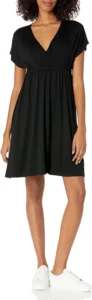
The midi dress occupies a unique sweet spot in women’s fashion, falling between the mini and the maxi—typically hemming anywhere from mid-calf to just below the knee. For the modern woman seeking an everyday wardrobe staple that balances comfort with polished elegance, the midi length has become an undisputed champion. Unlike shorter hemlines that can feel restrictive or too casual for certain settings, and unlike floor-length gowns that may overwhelm daily errands or office environments, the midi dress offers a universally flattering, practical, and effortlessly chic solution. This article explores why the midi dress is the perfect length for everyday wear, diving deep into its aesthetic appeal, functional benefits, styling versatility, and the subtle nuances that make it a cornerstone of contemporary wardrobes.
The Unique Appeal of the Midi Length for Everyday Wear
The term “midi” designates a hemline that ends in the lower half of the calf, typically 44 to 50 inches in length for an average-height woman. This specific range creates a visual elongation effect because it exposes the slimmest part of the leg—the ankle. When styled with the right footwear, the midi dress can make the wearer appear taller and leaner, a quality that contributes directly to its reputation for elegance. But beyond optical illusions, the midi length provides complete freedom of movement. There is no constant tugging at the hem, no concern about exposure when bending or sitting, and no fabric pooling on the ground. This practical ease transforms the dress into a true everyday garment, from morning coffee runs to lunch meetings and evening dinners. The length also offers excellent coverage, making it a favorite among women who prefer a modest yet fashion-forward silhouette.
Comfort Factors: Fabric, Fit, and Function
The midi dress’s comfort is not automatic; it depends heavily on fabric and cut. For everyday wear, natural fibers like cotton, linen, and modal are top choices because they breathe and drape beautifully without clinging. A cotton midi dress with a subtle A-line cut allows air circulation and prevents overheating in warmer months, while a knit midi dress in merino wool or cashmere blend provides warmth and softness for cooler days. The fit is another critical component. An elasticated waist, a shirred bodice, or a relaxed shift silhouette offers forgiving shape that accommodates fluctuations in body size and meal times. Many midi dresses feature adjustable straps, ties, or button-front designs that allow for personalized comfort. Unlike bodycon dresses that restrict movement, the midi’s longer hem pairs naturally with looser cuts, making it ideal for all-day wear. Additionally, the length prevents the dress from riding up when walking, a common annoyance with shorter styles. A well-fitted midi dress can be worn from a morning yoga session (with the right fabric) to a grocery store run without a single adjustment.
Styling for Different Body Types: Universal Flattery
One of the midi dress’s greatest strengths is its ability to flatter a wide range of body shapes. For pear-shaped figures, an A-line or fit-and-flare midi with a defined waist highlights the narrowest point while skimming over hips. Hourglass bodies can opt for wrap-style midi dresses that cinch at the waist, emphasizing curves without bulk. Apple-shaped women benefit from empire waist or ruched midi dresses that draw attention upward and provide a relaxed fit over the midsection. For those with a rectangular shape, a belted midi or a dress with side cutouts creates the illusion of curves. Tall women can wear a midi dress without fear of it looking too short, while petite women simply need to choose a hemline that hits just below the knee or at the mid-calf—avoiding a full-length calf hem that can shorten the legs. The key is proportion: pairing a midi dress with a neat heel or a pointed-toe flat extends the leg line, while a chunky sneaker can shorten it. By strategically selecting neckline, sleeve length, and waist placement, any woman can find a midi that feels made for her.
Transitioning Across Seasons: Year-Round Versatility
The midi dress is not a one-season wonder. Its adaptable length makes it a year-round wardrobe hero. In spring and summer, lightweight midi dresses in cotton lawn, chambray, or linen are ideal. Pair them with flat sandals, a straw tote, and a denim jacket for a casual brunch look, or dress them up with block-heeled mules and gold Jewelry for an evening out. The midi length also works beautifully under sheer kimonos or oversized cardigans, adding a layer of movement. As autumn arrives, swap sandals for ankle boots with a slight heel—the boot shaft should sit just below the hemline to avoid a chopped silhouette. Layer a turtleneck or long-sleeve tee under a sleeveless midi dress, or add a blazer for a smart-casual office outfit. Winter midi dresses can be made from thicker jersey, Velvet, or wool blends. Pair them with opaque tights and knee-high boots—the boots can be worn over or under the hem depending on the dress’s flow. A midi dress also works perfectly with a long coat, as the hem peeks out just enough to maintain visual interest. The key is adding texture and warmth through Accessories: chunky scarves, leather gloves, and berets.
Fabric and Pattern Selection for Everyday Elegance
Achieving elegance in an everyday midi dress depends largely on fabric weight and pattern scale. For a polished yet approachable look, solid colors like navy, olive, rust, and charcoal are perennial favorites. They serve as blank canvases for statement accessories and shoes. However, printed midi dresses offer their own charm. Small florals, geometric prints, and pinstripes add personality without overwhelming the frame. Dark backgrounds with light patterns tend to be more slimming, while large, bold prints can be balanced with neutral footwear. Fabric choice also dictates formality: a silk midi dress reads as evening-wear, whereas a cotton poplin midi with a floral print signals daytime ease. For everyday wear, cotton sateen, Tencel, and ponte knit are excellent middle-ground options—they have a slight sheen or structure but remain comfortable. Avoid fabrics that wrinkle excessively, such as crisp linen (unless you embrace the rumpled look) or those that cling statically, like cheap polyester. A midi dress in a quality stain-resistant fabric can take you from a workday to a dinner date without a change.
Footwear Pairings: Ankle Boots, Sneakers, Heels, and Flats
The right shoes can make or break a midi dress outfit. Because the hemline sits at the lower calf, footwear choice directly affects the visual length of the legs. For maximum elongation, opt for nude or flesh-toned heels—they create an uninterrupted line from leg to foot. Pointed-toe pumps or ballet flats with a V-cut opening also extend the leg. Ankle boots are a classic pairing in fall and winter; the boot should be slim-fitting and not too high (under 6 inches) to avoid cutting off the calf. Wearing booties with a thin heel rather than a chunky sole maintains elegance. White sneakers add a casual, street-style edge to midi dresses, especially those in denim or cotton. To keep the look intentional, choose minimalist sneakers (e.g., plain leather or canvas) rather than bulky athletic shoes. Flat sandals work in summer, but straps that wrap around the ankle can visually shorten the leg; a simple slide or a strappy flat with a thin toe-thong is safer. Loafers and mules are excellent for smart-casual office environments. Ultimately, the shoe should complement the dress’s hemline volume: fuller skirts pair best with heels or sleek boots, while straight or slim midi dresses can handle flats.
Accessorizing the Everyday Midi Dress
Accessories add personality without disrupting the midi’s inherent balance. A slim belt at the natural waist defines the silhouette and breaks up a solid color block. For a minimalist look, choose a belt in the same color as the dress for subtle texture, or go for a metallic or leather contrast. Layered necklaces and delicate earrings draw the eye upward, which is beneficial since the midi dress already emphasizes the lower body. A structured tote or a crossbody bag maintains proportion; oversized slouchy bags can overwhelm the look, while tiny clutches may seem too dressy. Scarves—either tied around the neck or worn as a headband—add a touch of French-girl ease. For colder months, a lightweight pashmina or a cashmere wrap can be draped over the shoulders without adding bulk. When it comes to outerwear, cropped jackets and blazers hit at the waist or hip, complementing the midi length by creating a layered silhouette. Long cardigans or dusters work too, but they should be open or lightly belted to avoid swallowing the dress. The golden rule: keep accessories intentional and proportional to the dress’s scale.
Occasion Versatility: From Errands to Evening
The everyday midi dress truly shines in its chameleon-like ability to adapt to multiple settings. A simple, solid-colored midi in a wrinkle-resistant fabric can be worn to the office with a blazer and low heels, then transition to a post-work dinner by swapping the blazer for a leather jacket and heels for strappy sandals. Cotton shirt-dress midis are ideal for weekend farmers’ markets and casual lunches, while a silk slip midi with a cardigan feels appropriate for gallery openings or date nights. The key is the hemline’s non-committal nature—it’s long enough to be formal but short enough to feel modern. Many women find that investing in two or three high-quality midi dresses covers 80% of their everyday events: one in a neutral solid, one in a small-scale print, and one in a seasonal color. These can be dressed up or down with footwear and accessories alone. For a pregnant woman, a midi dress with a knotted or elastic waist provides a flattering, roomy fit throughout all trimesters. For a new mother, a midi with a button-front or wrap design allows easy nursing access while still looking put-together.
Maintenance and Care for Long-Lasting Wear
To keep everyday midi dresses looking fresh and elegant, proper care is essential. Always check the label for fabric composition and recommended cleaning method. Cotton and linen midi dresses can generally be machine-washed on a gentle cycle with cold water, then hung to dry to avoid shrinkage. Silk or viscose midi dresses should be hand-washed or dry-cleaned to preserve drape and color. One insider tip: steaming is preferable to ironing for most midi dress fabrics, as it removes wrinkles without flattening the fibers. Store midi dresses on padded hangers to maintain shape, especially if they have structured shoulders or a defined waist. For knit midi dresses, fold them to avoid stretching the shoulders. Regularly check for pilling on blended fabrics and use a fabric shaver when needed. With proper care, a high-quality midi dress can be a staple for years, resisting fading and shape loss. The investment pays off in daily dividends of comfort and elegance.