Anatomy of the Perfect T-Shirt Dress: Fabric and Fit
The foundation of any exceptional t-shirt dress lies in its fabric composition. A superior blend typically combines 95% cotton with 5% elastane or spandex, offering breathability with essential stretch. This ratio prevents the dreaded “sagging hem” that plagues lower-quality garments while maintaining structure after repeated wear. Premium options may incorporate modal or Tencel, which drape more fluidly than standard cotton and resist pilling. The fabric weight matters significantly: a 200-220 GSM (grams per square meter) range provides enough heft to hang cleanly without being translucent, while lighter 150-180 GSM fabrics work better for layering and humid climates.
Fit parameters distinguish a wardrobe staple from a disposable garment. The shoulder seam should align precisely with the acromion bone, preventing that sloppy off-shoulder look that cheapens the silhouette. Sleeve length on a classic t-shirt dress hits mid-bicep, though three-quarter sleeves offer versatility for transitional weather. The bodice should skim the torso without compression—excess fabric gathering at the underarm signals poor grading. A subtle A-line cut from the ribcage accommodates diverse body types without requiring a belt to define the waist.
Neckline Variations and Their Strategic Applications
The crew neck remains the quintessential choice for its clean lines and compatibility with layered necklaces, but other necklines serve distinct purposes. A scoop neck elongates shorter torsos and accommodates wider shoulders, while a V-neck draws the eye vertically, flattering rounder face shapes. The boatneck offers a sophisticated alternative for those seeking coverage without sacrificing elegance, making it suitable for casual business settings.
Higher necklines, such as the mock turtleneck or funnel neck, transform the t-shirt dress into a cold-weather candidate. These variations often require a slightly heavier knit to maintain structure. Ribbed cuffs and hems on these designs prevent the collar from collapsing after washing, a common failure point in budget iterations.
Length, Hemlines, and Proportion
Hemline placement dictates the dress’s versatility. The most universally flattering length lands two to three inches above the knee, creating leg elongation without demanding constant adjustment. Midi lengths (mid-calf to ankle) have gained traction for their sophistication, but they demand careful consideration of footwear—block heels or sleek sneakers prevent the look from becoming matronly. Mini lengths, while popular, require opaque fabrics and often need to be paired with biker shorts or slips for practical wear.
Side slits, whether raw-edged or finished, introduce mobility and visual interest. A modest six-inch slit on a midi dress allows for natural stride while maintaining modesty. High-low hems, trending in recent seasons, offer a compromise between mini and midi but can appear dated quickly; classic symmetrical hems provide better longevity.
The Color Palette: Neutrals Versus Statement Hues
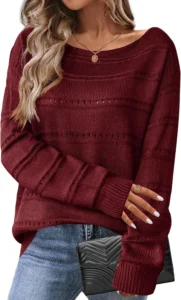
A curated t-shirt dress collection should begin with the foundational neutrals. Black serves as the most versatile option, transitioning seamlessly from day to evening with a shoe change. Heather grey offers a softer alternative that resists showing sweat stains and lint. Navy provides depth without the formality of black, while olive green and burgundy introduce subtle color without sacrificing washability.
Bold colors and patterns require more deliberate consideration. Stripes, particularly Breton stripes, offer timeless appeal when the lines align at the seams—a detail that indicates quality construction. Solid jewel tones like emerald or sapphire flatter most skin tones and photograph well, making them ideal for vacation wardrobes. Avoid overly trendy patterns that will date the dress within a single season; classic gingham or subtle floral prints offer longer rotation windows.
Styling for Day Wear: Effortless Casual Looks
The t-shirt dress excels in its ability to be styled with minimal effort. For daytime errands or coffee meetups, pair a mid-thigh length dress with white leather sneakers and a canvas tote. Layer an oversized denim jacket or a chambray shirt tied at the waist for added texture. The contrast between soft jersey and structured denim creates visual interest that elevates the ensemble beyond basic.
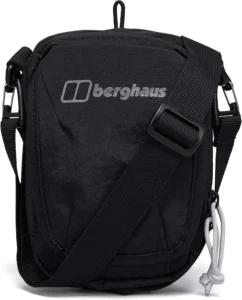
Athleisure integration works particularly well with t-shirt dresses. A cropped hoodie or zip-up jacket worn over the dress, combined with chunky sneakers and crew socks, produces a cohesive streetwear aesthetic. Belt bags worn across the body break up the silhouette while adding practical storage—an important consideration since most t-shirt dresses lack pockets.
Transitioning to Workplace Appropriate Attire
With thoughtful styling, the t-shirt dress crosses into business casual territory. Choose a dress in a darker, heavier fabric and pair it with a tailored blazer in a contrasting material—wool or linen depending on season. Structured blazers square off the dress’s softness, creating a silhouette appropriate for creative offices or casual Fridays.
Footwear choices signal intent: pointed-toe flats or low-block heels instantly dress up the ensemble. Leather Accessories—a slim belt, a structured crossbody bag, and subtle Jewelry—add polish without fighting the dress’s casual nature. The key is maintaining proportion; oversized blazers overwhelm shorter dresses, while cropped blazers work best with midi lengths.
Evening and Date Night Adaptations
Transforming the t-shirt dress for evening requires strategic upgrades. Swap daytime sneakers for strappy heels or sleek ankle boots. Introduce metallic or patent leather accessories to catch ambient light. A moto jacket in leather or faux leather adds edge, while a silk scarf tied as a belt introduces luxury texture.
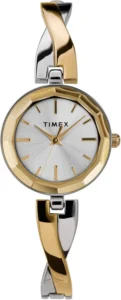
Layering delicate jewelry becomes more important in evening contexts. Long pendant necklaces draw the eye vertically, creating a lengthening effect. Stacked rings and a statement watch add interest without bulk. For colder evenings, a wool coat in a bold color worn open over the dress creates a dramatic entrance while maintaining warmth.
Seasonal Adaptations: Year-Round Wearability
Spring and fall represent the t-shirt dress’s sweet spot. Layer with tights, leggings, or bike shorts underneath for warmth and modesty. Knee-high boots, whether flat or heeled, create a streamlined silhouette that transitions smoothly between seasons. Turtlenecks or fitted long-sleeve tops worn underneath extend the dress’s utility into early winter.
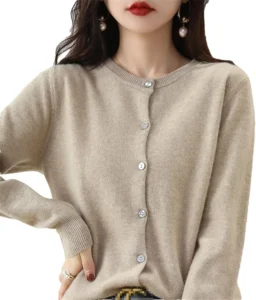
Winter wear requires strategic layering. A thin cashmere or merino wool crewneck worn under the dress adds insulation without bulk. Opaque tights in black or dark neutral shades maintain a polished look. Overcoats should hit at or below the dress hem to avoid creating awkward proportion breaks. Combat boots or lug-soled Chelsea boots provide grip and visual weight, balancing lighter dress fabrics.
Summer wear celebrates the dress’s simplicity. Straw hats, woven bags, and espadrilles create a vacation-ready aesthetic. Sleeveless or tank-style t-shirt dresses offer maximum airflow. Sun protection becomes essential: choose fabrics with UPF ratings or layer with lightweight linen overshirts for shoulder coverage.
Care and Maintenance for Longevity
Proper care extends a t-shirt dress’s lifespan significantly. Machine washing in cold water with like colors prevents dye transfer and fiber breakdown. Turn garments inside out to protect surface prints or textures. Avoid fabric softeners, which coat fibers and reduce breathability; white vinegar in the rinse cycle softens naturally without residue.
Drying methodology impacts fit retention most dramatically. Air drying flat on a mesh rack prevents stretching caused by hang-drying when wet. If machine drying is necessary, use low heat and remove while slightly damp to minimize shrinkage. Steam pressing instead of ironing preserves fabric integrity and removes wrinkles without crushing the knit’s natural texture.
Identifying Quality Construction Markers
Discerning shoppers evaluate construction details before purchasing. Double-stitched seams, particularly at shoulder and side seams, indicate durability. Flat-felled seams, common in high-end activewear, lie flat against the skin and resist fraying. Reinforced neck bands with tape at the shoulder seams prevent the collar from warping over time.
Heavier ribbing at cuffs, hem, and neckline suggests the manufacturer prioritized structure. Check for matched patterns at side seams on striped or patterned dresses—misalignment signals cost-cutting in production. Fabric that bounces back after being stretched indicates adequate recovery, essential for maintaining shape through multiple wears.
The Investment Perspective: Cost Per Wear
The most flattering t-shirt dress delivers value through versatility, not price tag alone. Calculating cost per wear by dividing purchase price by estimated wears helps justify higher initial investments. A well-constructed dress worn once weekly over three seasons yields roughly 36 wears annually. At a $120 price point, that equals $3.33 per wear—significantly lower than cheaper alternatives that degrade after 10-15 wears.
Carefully evaluate fabric content labels before purchasing. Cheaply made dresses often mislabel synthetic blends as cotton, leading to disappointing breathability and pilling. Supporting brands that use organic or Oeko-Tex certified cotton ensures dyes and chemical treatments meet safety standards, particularly important for garments worn directly against the skin.
Building a Capsule Wardrobe Around the T-Shirt Dress
The t-shirt dress functions as an anchor piece in a minimalist wardrobe. Choose two to three dresses in core neutral colors, then build accessory capsules around them. A single dress can generate dozens of unique looks through layering, different footwear, and varied accessories—making it one of the most efficient pieces in any closet.
Seasonal rotation keeps the collection feeling fresh. Replace lighter midi dresses with darker, longer options as temperatures drop. Introduce new colors gradually, testing their compatibility with existing pieces before committing to additional purchases. The goal is cohesion, not accumulation; each new dress should fill a specific gap in the existing rotation.
Travel Utility and Packing Efficiency
Frequent travelers recognize the t-shirt dress as a packing workhorse. Its wrinkle-resistant nature means it emerges from a suitcase ready to wear without ironing. Roll the dress rather than folding to minimize creases, and stuff sleeves and bodice with smaller items like socks or scarves to maintain shape during transit.
One dress can serve multiple functions on a single trip: as a swimsuit cover-up, a daytime sightseeing outfit, and evening dinner attire with accessory swaps. This multipurpose quality directly reduces luggage volume and simplifies decision-making during travel. Darker colors and subtle patterns better disguise travel-related stains and wrinkles.