cropped penamaguk fav 1777963090 7552
The Case for Longevity: Why a Luxury Wallet Outperforms Fast Fashion
In an era of fleeting trends and disposable Accessories, the luxury wallet stands as a defiant counterpoint. Unlike a seasonal handbag that may feel dated within two years, a well-chosen wallet operates in a different temporal dimension. It is a daily companion, handled hundreds of times per year, enduring the friction of pockets, bags, and commutes. The true luxury wallet is not merely a leather pouch for currency; it is a masterclass in material science and precision engineering. The cost-per-wear of a High-end wallet, when measured across a decade or more, often undercuts a series of cheaper replacements by a significant margin. This is the foundational logic of the investment piece: a higher initial outlay for a dramatically lower lifetime cost, combined with a tactile and aesthetic pleasure that synthetics can never replicate.
The Architecture of a Heirloom: Materials and Construction
Investment-grade wallets are defined by their raw components. The leather itself is the primary differentiator. Luxury houses utilize full-grain leather—the strongest and most durable part of the hide, retaining the natural fiber strength. Full-grain develops a patina over time, a unique, darkening richness from oils and handling, creating a personalized surface that machine-graded corrected grain leathers cannot achieve. Calfskin, grained leathers like Epsom (Hermès) or Saffiano (Prada), and box calf are common choices. Exotic skins—alligator, crocodile (porosus or niloticus), python, and ostrich—represent the apex of material luxury. These are not merely aesthetic choices. Crocodile leather is exceptionally durable and structured, while ostrich leather, with its quill follicles, is incredibly soft yet resistant to scuffing. The stitching is equally critical. The gold standard is the saddle stitch, performed by hand with two needles and a single thread. If one stitch breaks, the seam does not unravel. Machine stitching, even on expensive pieces, creates a chain stitch that can fail catastrophically if snagged. A true investment piece will have precisely angled, uniform saddle stitching in waxed linen thread.
Hardware is a silent testament to quality. Look for zippers from Riri or Lampo, and clasps made from palladium, ruthenium, or gold-filled brass. These metals resist tarnishing and corrosion far better than standard brass or nickel. The zipper pull should move with a smooth, hydraulic completeness, not a rattling, cheap glide. The interior lining, often overlooked, should be in microfibre or a high-thread-count silk or cotton, stitched cleanly without loose threads.
Iconic Silhouettes: Form Following Function
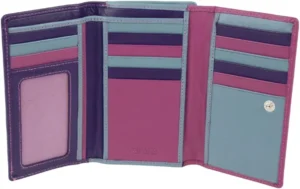
The right format is as crucial as the leather. The Continental Wallet (the long, folding design) remains the archetypal investment piece for the structured tote. It provides ample room for receipts, cards, and cash, though it has waned slightly for smaller bag use. The Zip-Around Wallet offers the most security for the everyday carrier, acting as a mini-clutch. For the minimalist or those who favor small crossbody bags, the Card Holder and the coin purse with Flap are the new frontier of luxury. The most savvy investment often lies in the Card Case with a Billfold Compartment; it is slim enough for a pocket but capacious enough for essential currency. The Flap Wallet (like the classic Chanel design) offers a signature closure with a functional interior. The Money Clip Wallet and the Wristlet (a wallet that doubles as a small bag) are specialized forms for specific lifestyles. The most versatile investment is a medium-sized Zip-Around or a well-designed Continental, as these formats adapt to evening and day use.
The Crown Jewels: Brands That Hold Value
Certain houses command a premium not just for their logo, but for their unwavering commitment to quality and resale value. Hermès is the undisputed king. Their Dogon, Bearn, and Kelly wallets are constructed with the same exacting standards as their legendary bags. A Kelly wallet in an exotic skin, for example, can appreciate in value over time if kept in excellent condition. Chanel offers a specific brand of glamour. Their classic flap wallets with the iconic CC turn-lock are immediately recognizable and hold a high secondary market value, particularly in caviar (grained calfskin) leather due to its durability. Louis Vuitton remains a benchmark for durability; their coated canvas and leather models (like the Zippy or Victorine) are waterproof and notoriously long-lasting. Bottega Veneta eschews logos for craft; its Intrecciato woven leather requires immense skill to produce and is supremely durable, hiding wear beautifully. Loewe has risen in prominence, with their Gate and Puzzle wallets offering architectural chic in supple, aniline-dyed calfskin. Moynat and Delvaux are for the connoisseur, offering unparalleled heritage and discretion with plongeé leather that ages to a tactile softness.
How to Spot Authentic Longevity: The Pre-Owned Market and Care
The pre-owned market is a crucible for evaluating investment worth. A wallet that consistently resells for 60-80% of its retail price after five years confirms its status as a tangible asset. Look for specific condition markers: edge coating (the paint on the wallet’s edges) should not be chipping; zipper tracks should not have teeth missing; and the interior lining should not show delamination or stickiness. Care is the linchpin of longevity. A luxury wallet requires a specific regimen. Store it in its dust bag when not in use, not in direct sunlight. Avoid overstuffing it, which stresses the stitching and warps the shape. For grained leathers, a damp, soft cloth is sufficient. For smooth calfskin, use a dedicated, non-oily leather conditioner every six months. For exotic skins, care is more demanding: crocodile requires specific oils, while ostrich needs a soft brush. Never expose a luxury wallet to rain or hand sanitizer, which can strip the finish. A professional spa service (offered by many houses) can recolor, restitch, and replace hardware, effectively rejuvenating the piece for another decade.
Emerging Trends and Discreet Luxury
The landscape is evolving. The rise of the “quiet luxury” aesthetic has shifted focus from obvious branding to material purity. Brands like The Row, Loro Piana, and Buc provide wallets in extraordinary cashmere-lined leathers or rare vegetable-tanned hides that whisper rather than shout. The demand for slim, functional designs has also increased, with cardholders and compact zip wallets from Goyard and Moynat becoming highly desirable. Another trend is the “clutch wallet”—a large, structured wallet that functions entirely without a bag, often with a detachable chain or leather strap. These pieces maximize utility for a life in transit. The future of the luxury wallet lies in customization, with brands offering bespoke interior configurations, monogramming, and choice of hardware, ensuring the piece is perfectly aligned with the user’s daily habits. The investment is not just in the object, but in the refinement of a daily ritual.