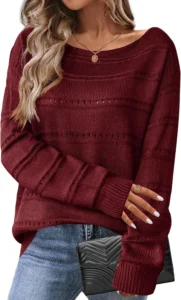
The Anatomy of Necklace Lengths
Mastering necklace layering begins with understanding the precise measurements that create visual harmony. Standard necklace lengths range from 14 inches (choker) to 36 inches (long opera). The key to successful stacking lies in a 2-to-4-inch difference between each piece. A 16-inch princess length sits at the collarbone, an 18-inch matinee falls just below, and a 20-inch piece lands mid-chest. This graduated spacing prevents tangling and ensures each chain remains visible.
For a classic three-strand look, combine a 16-inch choker with an 18-inch pendant and a 22-inch lariat. The 6-inch difference between the shortest and longest creates a cascade that elongates the neck. Avoid using two necklaces of identical length—they will clump together and negate the layered effect. When working with shorter necklines, start with a 14-inch choker as your base, then add a 16-inch or 18-inch piece. For deeper necklines, extend your range to 24 inches or 30 inches.
Bib necklaces or collar-length pieces (12–14 inches) pair best with longer, delicate chains. Proportional balance is critical: a heavy bib should anchor a look with dainty mid-length and long chains. Conversely, a very long pendant (30+ inches) can be worn alone or with short, tight chokers to create contrast.
Decoding Chain Styles for Depth and Texture
The visual interest of layered necklaces comes from mixing chain types, not just lengths. A curb chain offers a tight, uniform link structure, while a rolo chain has round links with a slight gap. Cable chains are the most common—simple and versatile. Rope chains feature twisted links that catch light differently. Snake chains are smooth and uniform, ideal for understated layers.
Combine a flat cable chain with a textured rolo chain and a delicate trace chain for maximum contrast. The interplay of reflective surfaces and matte finishes draws the eye along each layer. Avoid using three identical chain types—your neckline will appear flat rather than dimensional. Instead, pair a solid link chain (e.g., Cuban link) with a beaded or coin chain for textural juxtaposition.
Pendants add focal points. A single statement pendant on the shortest chain concentrates attention at the collarbone. A bar pendant on the middle chain introduces verticality. A small charm on the longest chain provides a subtle endpoint. To avoid visual clutter, limit pendants to two per stacked set. Position pendants off-center or slightly off midline for an asymmetrical, modern feel.
The Art of Mixing Metals Without Clashing
Once reserved for fashion rebels, mixing metals is now a standard styling technique. The rule is simple: unify by finish rather than color. Pair polished yellow gold with polished rose gold and polished silver—the similar shine creates cohesion. Alternatively, combine matte or satin finishes across different metal tones for a soft, deliberate contrast.
Gold, silver, and rose gold work together when the dominant metal is repeated in another accessory—a rose gold necklace paired with rose gold earrings and a silver chain that matches a silver ring. The 60-30-10 rule applies: 60% of the necklaces should be one metal, 30% a second, and 10% a third for accent. Three yellow-gold pieces with one white-gold chain create a clear focal hierarchy.
Silver and white gold are neutral and pair with any other metal. Brass and copper warm tones can anchor a mixed-metal set. Avoid mixing oxidized silver (blackened) with high-polish yellow gold—the stark contrast reads as unintentional instead of curated. Instead, pair oxidized pieces with other dark or matte metals like gunmetal or antiqued bronze.
Two-tone necklaces (e.g., gold and silver woven together) serve as bridging pieces that make multi-metal layering seamless. If you’re nervous, start with a two-tone chain as your center layer and flank it with single-metal pieces in the two tones.
Pro Techniques for Tangling and Spacing
Tangling is the most common frustration with layered necklaces. To prevent it, choose necklaces of varying thickness—a thin chain and a medium chain rarely snag, while two thin chains twist easily. Use a magnetic clasp extender or a dedicated necklace spacer (a small pendant-like clip that holds chains apart). Alternatively, clasp your necklaces together at the back using a jump ring so they move as a unit.
Spacing is equally important. The shortest necklace should sit at the hollow of your throat, not tight against your skin. The longest should rest above the bust line or at the sternum, depending on your neckline. Check in a mirror: if any chain disappears behind another, adjust lengths. A good rule is that you should be able to slide a finger between each chain when wearing them.
For high-neck tops, skip the choker and start at 18 inches. For strapless or off-shoulder styles, use a 14-inch choker as the shortest to draw attention upward. V-necks pair best with a Y-shaped chain that echoes the neckline. Crew necks work with a short choker and a long pendant that drops below the neckline.
Layering more than four necklaces requires careful planning. The “rule of odd numbers” (3 or 5) is not a hard rule but visually appealing. To wear five, group them in two clusters: two short chains close together, a medium solo piece, then two long chains that overlap near the chest. Clip the long pieces together temporarily to avoid sliding.
Personalization and Proportion by Body and Neckline
Your face shape and neck length influence which lengths flatter the most. A short neck (less than 3 inches from chin to collarbone) benefits from a 16-inch to 18-inch layering zone—avoid 14-inch chokers that can appear choking. Long necks can carry bold bibs and multi-strand chokers (12–14 inches) with ease. Round faces are elongated by V-shaped layers (a 16-inch chain with a 22-inch pendant). Angular or square faces soften with curved or circular pendants.
The weight of your necklaces should match your frame. Petite frames (under 5’4”) should limit chain widths to 2mm or less; thicker chains overwhelm. Taller or broader frames can support 3mm to 5mm chains, especially as the longest layer. A heavy chain as the shortest layer draws too much visual weight upward, creating imbalance.
Consider your outfit’s neckline as a partner in your layering. A collared shirt calls for a short choker and a long pendant that hang outside the collar. A turtleneck works best with long layers (20 inches and above) that rest on the fabric, plus a mid-length piece inside. For a plunging neckline, use a 14-inch to 16-inch set that stays inside the neckline, and a 30-inch chain that traces the plunge.
Seasonal and Trend Considerations
Warmer months favor lightweight, delicate chains—gold fill, silver, or rose gold cable chains—with tiny charms or birthstones. One or two pendants keep the look airy. In winter, thicker chains, chunky links, and multiple pendants (including lockets or gemstones) add weight against heavier fabrics like wool and cashmere. Layering a choker over a turtleneck or a long chain over a chunky sweater creates tactile interest.
Current trends include personalization (nameplate necklaces stacked with bar pendants), coin necklaces mixed with fine curb chains, and multi-chain sets sold as pre-layered units. The “demi” layer—a 14-inch chain paired with a 15-inch chain by using a short extender—is popular for those who want a tight two-layer look. Textured chains (beaded, braided, or wheat) are outperforming simple cable chains in 2024–2025.
For an evening look, incorporate a lariat or a chain with a detachable pendant to switch from day to night. Pearls mixed with metals remain a timeless layered option, using a freshwater pearl strand as the middle layer between two metallic chains. Avoid gemstone-on-gemstone layering without metal spacers to prevent scratching.
Maintenance and Care for Lasting Layering
Storing layered necklaces requires more attention than single chains. Hang each set on a dedicated necklace tree or use a flat Velvet-lined tray to prevent kinking. If you wear them together frequently, clasp them as a unit before storing—leave a small note indicating the order. Use Anti-tarnish strips in storage boxes for silver pieces.
Clean layered necklaces separately. Soak each in warm water with mild dish soap, brush gently with a soft toothbrush, and dry thoroughly before reconnecting. Avoid exposing mixed-metal sets to chlorinated water or heavy perfumes, which can accelerate tarnish and create uneven color changes.
When layering chains with different metals, the softest metal (typically gold) will wear faster. Use a soft polishing cloth weekly. If one chain shows more wear, consider replacing it or swapping it to the least visible position (the middle layer). Professional cleaning every six months preserves the original luster.
Final Technical Insights for Seamless Styling
Adjustable chains (those with multiple jump rings or sliding knots) are invaluable for layered sets because they let you fine-tune spacing without adding or removing pieces. A 16- to 18-inch adjustable chain can serve as either the shortest or middle layer. Lariat chains with an open end allow you to vary drop length by looping through a bead or charm.
The clasp type matters. Lobster clasps are secure but can be fiddly with multiple necklaces. Magnetic clasps are easier but risk attraction between metals. Spring ring clasps are the most common but may open accidentally if caught on other chains. A magnetic closure paired with a safety chain adds insurance for expensive sets.
Finally, consider the layering order from a physics perspective. Heavier chains should sit lower in the stack (longest length) to pull downward, while lighter chains go higher. This prevents the shorter chain from being dragged out of position by the weight of a longer, heavier piece. If your longest chain is the heaviest, it will stay flat against the chest rather than ride up or twist.