The Art of Invisible Wealth: Mastering Fabric and Fit
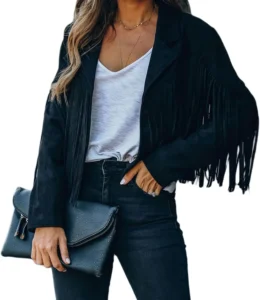
The most immediate shortcut to an expensive appearance lies not in logos but in how your Clothing drapes your body. A $30 blazer that has been expertly tailored at the seams will always outperform a $300 off-the-rack version with poor shoulders. Invest in a local tailor for simple alterations—hemming trousers, taking in a waist, shortening sleeves. This single step transforms fast fashion into bespoke. Similarly, prioritize natural fibers: cotton with a high thread count, linen, merino wool, and silk blends. These materials drape more fluidly, breathe better, and resist pilling, creating a silhouette that signals quality even from across the room. Synthetic blends, especially shiny polyester, can immediately cheapen an outfit. Learn to read care labels and feel the weight of a garment—heavier fabrics often indicate better construction.
The Palette of Privilege: Neutrals and Monochrome
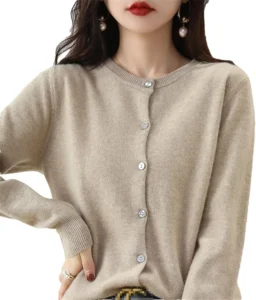
Wealth whispers; it does not shout. A wardrobe anchored in neutral tones—cream, camel, navy, charcoal, black, and olive—projects timelessness and restraint. These colors are inherently luxurious because they are difficult to produce cheaply. To build an affordable luxury look, limit your palette to three or four neutrals and one accent color (such as burgundy or forest green). Monochromatic dressing—wearing a single color from head to toe—creates a long, uninterrupted line that appears deliberately styled and expensive. For instance, pairing a taupe cashmere-blend sweater with matching taupe trousers (even from different brands) mimics the curated uniformity of high-end designer collections. Avoiding high-contrast patterns and loud printed logos eliminates the risk of visible wear or obvious discount-store origins.
The Power of Details: Hardware, Shoes, and Bags
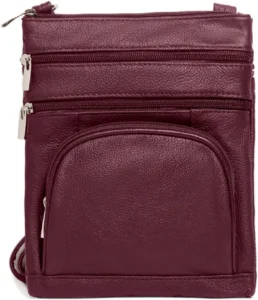
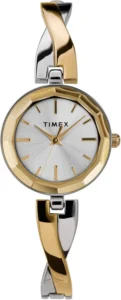
No single item betrays a budget faster than worn or low-quality footwear. A classic leather loafer, a minimalist ankle boot, or a simple pointed-toe flat in polished black or brown can be found at mid-range retailers or thrift stores. The key is condition: scuffed shoes, cracked patent leather, and loose stitching immediately lower perceived value. Regularly polish leather, replace worn heels, and store shoes with cedar shoe trees. Bags follow the same rule. A structured tote or a crossbody in genuine leather (even secondhand) with clean lines and minimal branding elevates any outfit. Avoid logos that are oversized or overt. Hardware—zippers, buttons, buckles—should be matte gold, silver, or gunmetal. Shiny, cheap-looking brass or plastic buckles drag the entire look down. For jewelry, limit yourself to one or two fine-looking pieces: a thin gold chain, small hoop earrings, or a classic watch with a leather strap. Avoid costume jewelry that tarnishes quickly.
The Science of Layering and Proportion
Affordable luxury thrives on deliberate construction. Layering adds depth and visual interest, making even basic pieces appear intentional. A white t-shirt under a fine-gauge knit, a blazer over a silk shell, or a denim jacket worn over a tailored dress—each layer suggests a thoughtful wardrobe. Pay attention to proportion: pairing a loose top with slim trousers, or a fitted top with wide-leg pants, creates balance that flatters any body type. Tucking in a blouse or using a thin belt to define the waist can transform a shapeless garment into a sharp silhouette. Hemlines also matter—trousers should graze the top of the shoe with a slight break, sleeves should end at the wrist bone, and jacket hems should fall at the hip or below the seat for a polished line.
Grooming as the Ultimate Accessory
No amount of strategic shopping compensates for neglect in personal care. Clean, pressed clothing with no loose threads or missing buttons is non-negotiable. Invest in a fabric steamer—it removes wrinkles in seconds and costs under $30. Keep nails clean and filed, hair well-conditioned and styled simply, and skin hydrated. A subtle fragrance, a neat haircut, and minimal makeup (a tinted moisturizer, groomed brows, a sheer lip) create an aura of effortless maintenance. Irony: the less effort you appear to exert, the more wealth you project. This extends to your posture—standing tall, making eye contact, and moving with intention costs nothing but signals confidence and refinement.
Shopping Strategies: The Mathematics of a Capsule Wardrobe
To achieve affordable luxury, shift from trend-driven buying to strategic investment. A capsule wardrobe of 30–40 versatile pieces that mix and match can be built slowly. Prioritize core items: a well-fitting blazer, dark-wash straight-leg jeans, a crisp white button-down, a cashmere-blend sweater, a black midi skirt, a trench coat, and a leather belt. Shop off-season (buy coats in spring, sandals in fall) for deep discounts. Thrift stores and consignment shops in affluent neighborhoods yield high-end labels at a fraction of retail. Learn to identify quality by touch: look for reinforced seams, real horn or metal buttons, lining in jackets and skirts, and zippers from reputable brands like YKK. Online resale platforms like ThredUp, Poshmark, or The RealReal allow filtering by fabric and condition, often yielding pristine designer items for under $100.
The Illusion of Abundance: Repeat Pieces with Confidence
A hallmark of expensive style is repeating outfits. Fashion influencers and celebrities often cycle through the same core items because it signals ownership of timeless, high-quality pieces rather than disposable trends. Wash and care for garments as instructed (hand-wash delicates, air-dry knits) to extend lifespan. When you find a piece that fits perfectly, consider buying it in multiple colors. This creates a uniform that simplifies daily dressing and projects a curated identity. Avoid fast-fashion websites that mimic runway looks in cheap fabrics; the difference is immediately visible under daylight or in photographs. Instead, search for independent brands and mid-tier retailers that emphasize construction.
Color Psychology and the “Old Money” Aesthetic
Designers have long known that certain colors are associated with affluence: cream, deep forest green, maroon, navy, camel, and slate gray. These shades are difficult to produce in cheap dyes, which often bleed or fade. When selecting items, test color consistency by holding them under natural light. A rich, saturated navy looks vastly more expensive than a washed-out blue. Incorporate one “hero” accessory in a power color—a red leather handbag, a topaz pendant, or an emerald silk scarf—to draw the eye upward and create a focal point that suggests the outfit was built around a single luxury piece.
The Role of Footwear in Perceived Status
Shoes are the foundation of any outfit, both literally and symbolically. A clean, classic pair of white leather sneakers (not mesh or athletic) can dress down a suit elegantly. For formal occasions, a plain pump or oxford in calfskin leather outperforms any trendy platform or stiletto. Keep shoe collections minimal: one pair of black flats, one pair of nude heels (2–3 inches), one pair of brown loafers, and one pair of low-profile sneakers. Condition leather regularly to maintain its luster. For boots, choose suede or smooth leather with a low heel—combat boots or heavily lugged soles can read as casual or cheap unless the rest of the outfit is meticulously tailored.
Avoiding Common Pitfalls: Logo Saturation and Over-Accessorizing
The fastest way to undermine an affordable luxury look is to wear visible brand names. Logos signal that you paid for the label, not the quality; to the trained eye, they often indicate a counterfeit or an entry-level item from a luxury house. Swap logo belts for plain leather ones, logo handbags for clean silhouettes, and logo sunglasses for acetate frames. Similarly, resist the urge to wear too many Accessories. One statement piece per outfit (a silk scarf, a gold watch, a structured bag) creates impact. Two or more competing items—a chunky necklace, a stack of bracelets, oversized earrings—immediately reads as costume or desperation for attention. Simplicity is the ultimate flex.
Maintenance as a Mindset
Ultimately, looking expensive on a budget is a practice, not a purchase. It requires patience to hunt for quality secondhand, discipline to maintain clothing, and knowledge to identify construction details that matter. Steam wrinkles out before every wear, brush lint from wool, store knits folded (not hung) to prevent stretching, and keep a lint roller in your car. Learn basic sewing for buttons and small tears. Treat each garment with the care you would a designer piece, and eventually your wardrobe will exude the calm, deliberate confidence of inherited wealth—without the inheritance. The final secret is that luxury is not a price tag; it is a relationship between fabric, fit, and the person wearing them.