The Foundational Principles: Placement & Proportion
The power of a belt lies in its ability to manipulate perception through strategic placement and an understanding of proportion. It is a tool of visual engineering. The core rule is this: a belt creates a horizontal line that the eye interprets as the body’s narrowest point at that level. Where you place that line dictates the story of your silhouette.
The Waistline Rules: Cinching at your natural waist—the smallest part of your torso, typically above the navel—creates immediate definition and a classic, tailored look. Placing a belt lower, on the hips, elongates the torso and offers a relaxed, modern feel. For those with a longer torso, a hip belt can create better balance, while those with a shorter torso may prefer the leg-lengthening effect of a natural waist cinch.
Proportion is Paramount: The width and scale of your belt must harmonize with your outfit and frame. A thick, broad belt (2-3 inches) makes a bold statement and is ideal for defining loose, voluminous garments like coats, dresses, and oversized sweaters. It anchors the look. A thin, delicate belt (¼ to ½ inch) offers subtle refinement, perfect for sheathing a dress, adding polish to trousers, or breaking up a monochromatic knit set without adding bulk.
The Color & Contrast Lever: A belt in a contrasting color to your outfit will starkly divide your silhouette, sharply drawing attention to its placement. This is a powerful technique for creating clear shape. A tonal belt—matching or closely blending with your Clothing—offers a more subtle, streamlined effect, defining shape without creating a stark visual break.
Technique 1: Creating Waist Definition Where None Exists
The most celebrated function of a belt is its ability to carve out a waist, transforming shapeless garments into structured, flattering pieces.
- The Dress Transformation: A-line, shift, or sack dresses are prime candidates. A belt at the natural waist instantly adds shape, preventing the dress from hanging like a tent. For fit-and-flare or skater dresses, a belt can emphasize the designed waist even further, accentuating the volume of the skirt.
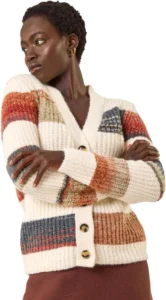
- Taming Volume: Oversized blazers, boxy cardigans, and bulky knitwear can overwhelm the frame. Cinching them at the waist with a leather belt reclaims your shape, creating an “X” silhouette that balances the shoulders and the hem. This is a cornerstone of sophisticated, polished casual wear.
- The Blouse-and-Trouser Hack: Instead of tucking a blouse haphazardly into trousers or skirts, use a thin belt over the fabric at your natural waist. This creates a neat, bloused effect that is both defined and intentionally relaxed. It works exceptionally well with high-waisted, wide-leg trousers, creating a seamless, elongated line from the belt downward.
Technique 2: Crafting the Hourglass Illusion
Beyond simple definition, belts can engineer the coveted hourglass figure by manipulating volume above and below the waist.
- The Peplum Effect: Wear a fuller, puff-sleeve or voluminous-top and pair it with a slim skirt or tailored trousers. Cinch fiercely at the natural waist with a statement belt. The contrast between the expanded shoulders/bust, the narrowed waist, and the streamlined lower half creates a dramatic hourglass.
- Balancing a Full Skirt: A wide, tiered, or ballroom skirt has inherent volume below the waist. Pair it with a fitted top—a turtleneck, bodysuit, or simple tee—and add a defining belt exactly at the waistline. This technique highlights the smallest part of your torso against the skirt’s flare, maximizing the feminine silhouette.
- Layering for Structure: In colder months, layer a fitted vest or a cropped jacket over a dress or top-and-skirt combo. Belt over the outer layer. This adds a textural, dimensional element while sharply defining the waist amidst multiple layers.
Technique 3: Elongating and Balancing Proportions
Belts are not just for cinching; they are masterful tools for guiding the eye and creating harmonious proportions.
- The Monochromatic Elongation: Wear an outfit head-to-toe in one color or very similar tones (e.g., all black, navy, or cream). Add a belt in the same color family. This creates subtle definition without breaking the vertical line, making you appear taller and leaner. A tonal texture contrast (e.g., a matte leather belt on a wool dress) adds interest without sacrificing length.
- Correcting a Long Torso/Short Legs: To create the illusion of longer legs, use a belt in a color that matches your bottoms. For example, with high-waisted blue jeans and a contrasting top, choose a belt in a similar denim shade or brown leather that blends with the jeans. The eye will travel from the belt downward uninterrupted, lengthening the leg line.
- Balancing a Pear Shape: Draw attention upward by using a belt as a focal point with detailing—a unique buckle, metallic finish, or bright color—at your natural waist. Pair with tops that have shoulder detail (puff sleeves, embellishments) and simpler, darker-colored bottoms. This balances the silhouette by emphasizing the upper body.
- Softening an Inverted Triangle: For broader shoulders, choose belts in medium widths and avoid overly chunky, stiff styles that can add bulk at the waist. Softer, fabric belts or linked-chain styles can define without hardening the line. Place the belt at the natural waist or slightly below to create a gentle break between the upper and lower body.
Technique 4: Unexpected Applications & Style Alchemy
Move beyond the basic waist-cinch to discover a belt’s full transformative potential.
- The Hip-Drape: For low-rise trousers or skirts, or over long tunics and dresses, let a longer belt hang loosely from the hip buckle, creating a draped, asymmetrical line. This adds movement and a bohemian, nonchalant elegance without defining the waist tightly.
- Belted Outerwear: Don’t reserve belting for indoor layers. A trench coat, wool coat, or even a structured puffer with a belt built-in or added can transform your outerwear into a shaped garment, ensuring you look polished even in the coldest months.
- Doubling Up: For high-fashion impact, try wearing two thin belts at slightly different heights on the waist, or one on the waist and another loosely slung on the hips. This creates a layered, editorial look that plays with proportion and detail.
- As an Accessory, Not a Tool: Sometimes, a belt’s function is purely decorative. Thread a delicate chain belt through belt loops on jeans for a hint of sparkle without cinching, or wear a dramatic obi-style sash over a streamlined dress, tied to the side, as a textural accent rather than a waist-definer.
Selecting Your Arsenal: A Curated Belt Wardrobe
To execute these transformations, a well-considered belt collection is essential. Focus on these five foundational styles:
- The Classic Leather Belt (Medium Width): In black or brown, with a simple buckle. This is your workhorse for jeans, trousers, and tailoring.
- The Statement Belt (Wide): In a neutral or a bold color, with potential for interesting texture (croc-embossed, woven) or a sculptural buckle. For defining dresses, coats, and oversized pieces.
- The Delicate Chain or Thin Leather Belt: For subtle definition on dresses, blouses, and high-waisted tailored shorts or skirts. It adds polish without heaviness.
- The Fabric Sash or Obi Belt: Often in satin, silk, or a printed material. Ideal for creating soft definition, tying over blouses, dresses, and knitwear for a romantic or artistic touch.
- The Versatile Reversible Belt: Offering two colors in one (e.g., black/brown, tan/navy), this is a practical powerhouse that maximizes styling options with minimal closet space.
Ultimately, mastering the belt is about experimentation. It is the simplest, most immediate tool for taking creative control over your silhouette, allowing you to redefine your shape with every outfit, expressing both style and intention through a single, strategic loop of leather, fabric, or chain.