The Foundation: The Great Empty
Begin by selecting a large, clear surface—a bed, dining table, or clean floor. Turn your handbag upside down and shake out every last item. Don’t just remove the obvious; empty every pocket, zipper compartment, and hidden pouch. Wipe the interior with a disinfectant cloth to remove crumbs, dust, and germs. This blank slate is your starting point. As you empty, mentally note the volume and variety of items; this observation is crucial for the next steps.
The Sorting Process: The Keep, Toss, Relocate Triage
Create three piles: Keep, Toss, and Relocate.
- The Toss Pile: This is for true garbage—old receipts, expired coupons, crumpled tissues, empty gum wrappers, broken hair ties, and desiccated pens. Be ruthless.
- The Relocate Pile: These are items that live in your bag but don’t belong there long-term. This includes spare change (move to a jar), keys (designate a hook by the door), random business cards (digitize or file), and that library book you finished two weeks ago.
- The Keep Pile: This is your core collection. Now, subdivide this pile into logical categories. Common categories include: Wallet & Payment, Technology, Beauty & Hygiene, Health & Wellness, “Just-in-Case” Items, and Miscellaneous Tools.
Defining Your Core Essentials
Your lifestyle dictates your essentials. A parent’s needs differ from a student’s. Ask: “What do I use daily?” and “What have I used in the last week?” Your goal is to identify a lean, functional core.
- The Non-Negotiables: Wallet, phone, keys. These are your “holy trinity.”
- The Daily Drivers: Items like your work badge, sunglasses, daily medications, or a reusable shopping bag.
- The Cycle-Outs: Items like lip balm, hand sanitizer, and tissues are used and replaced. They stay, but their quantity is controlled.
Harnessing the Power of Organizers: Your Bag’s Interior Architecture
This is the most transformative step. Organizers prevent the “black hole” effect.
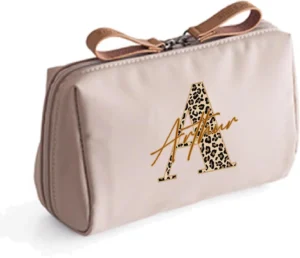
- Pouch System: Use multiple small pouches for each category. A clear cosmetic bag for makeup, a slim case for tech cords, a small zippered pouch for first-aid (band-aids, pain relievers). This allows you to grab an entire category at once.
- Insert Organizers: For structured bags, consider a custom felt or fabric insert with multiple compartments. These fit snugly inside your purse, creating designated slots for your phone, pen, lipstick, and more. They can be transferred between bags in seconds.
- The “Catch-All” Mini Pouch: Designate one very small pouch for tiny, loose items like hairpins, safety pins, a spare button, and a breath mint strip. This prevents them from scattering.
Strategic Packing: A Place for Everything
With your categories defined and pouches ready, pack with intention.
- Weight Distribution: Place the heaviest items (wallet, tech power bank) closest to your body and towards the bottom of the bag. This improves comfort and posture.
- Accessibility: Items you need most frequently (phone, keys, transit pass) should go in the most accessible exterior pocket or the top of the main compartment.
- Frequency-Based Zoning: The main compartment holds your category pouches. An exterior zip pocket secures your keys. A slip pocket is ideal for your phone. Use every pocket for a specific purpose.
The Maintenance Ritual: How to Keep It Organized
Organization is not a one-time project; it’s a weekly habit.
- The Daily 60-Second Tidy: Each evening when you get home, take 60 seconds to remove the day’s debris—receipts, trash, and items that have strayed from their pouches. Return your keys and wallet to their designated home outside the bag.
- The Weekly “Reset”: Once a week, perform a mini-version of the great empty. Remove all items, wipe the interior, refill depleted supplies (tissues, mints), and ensure everything is in its correct pouch or section.
- The Seasonal Purge: Every 3-4 months, do a deep clean. Empty everything, re-evaluate your essentials list, clean your pouches, and donate or discard items no longer serving you.
Advanced Pro-Tips for a Streamlined Experience
- Multi-Function Items: Choose items that serve dual purposes. A phone case with card slots can slim your wallet. A lipstick that doubles as cream blush saves space.
- Downsize Containers: Decant lotions, hand sanitizer, and perfumes into travel-sized bottles. Use contact lens cases for small amounts of cream or serum.
- Digital Detox: Remove physical items you can digitize. Use your phone for loyalty cards, boarding passes, and notes. Take photos of receipts you need to keep temporarily instead of stuffing them in your wallet.
- The “One-In, One-Out” Rule: If you acquire a new item for your bag (a new lip gloss, a promotional USB drive), remove a similar or outdated item to maintain equilibrium.
- Color-Coding: Use pouches of different colors or patterns for instant visual identification—a red pouch for first-aid, a floral one for cosmetics.
Troubleshooting Common Handbag Clutter Scenarios
- The Receipt Explosion: Designate a specific, slim envelope or a small pocket in your wallet solely for receipts you must keep. Discard all others immediately after purchase.
- The Loose Change Abyss: Use a miniature coin purse or a specific zippered compartment in your wallet. Empty it into a jar at home weekly.
- The Cord Tangles: Invest in a small cable organizer or use a simple binder clip to keep earphones and charging cables neat. Velcro cable ties are another excellent, compact solution.
- The Forgotten Snacks: If you carry snacks, use a hard-sided, small container to prevent crumbs and spills from contaminating everything else.
Choosing the Right Bag for Organization
Your bag’s design can make or break your system. Before purchasing, consider:
- Multiple Compartments: Look for bags with at least one zippered main compartment, an external back pocket (for phone), and an internal slip pocket or two.
- Material & Structure: Soft, slouchy bags often lead to chaos. A slightly structured bag helps items maintain their position. Light-colored linings make contents easier to see.
- Size Appropriateness: Be honest about what you carry. A tiny bag forces discipline, while a tote can invite clutter. Choose a size that fits your true essentials with a little room to spare, but not excessive empty space. By implementing these systematic strategies, you transform your handbag from a stressful abyss into a curated toolkit for your day. The result is not just a tidy purse, but saved time, reduced daily friction, and the profound peace of mind that comes from knowing exactly where everything is, the moment you need it.