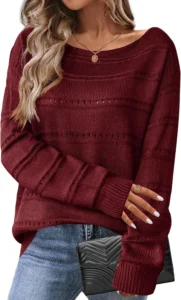
Step 1: The Mindset Shift – Understanding the Capsule Philosophy
A capsule wardrobe is not merely a small closet; it is a curated collection of versatile, high-quality Clothing items that you love to wear, which all coordinate seamlessly. The core principles are intentionality, versatility, and personal style over fleeting trends. The goal is to reduce decision fatigue, save money long-term, and cultivate a closet where every piece earns its place. A typical seasonal capsule ranges from 25-40 items, including tops, bottoms, dresses, and outerwear, but excluding Accessories, workout gear, pajamas, and specialty occasion wear. This is your foundation.
Step 2: The Diagnostic – Analyze Your Current Wardrobe
Empty your closet completely. This physical act is crucial. Sort every item into four piles: Love, Maybe, No, and Seasonal Storage.
- Love: Items you wear frequently, feel fantastic in, and are in good condition. These are your capsule anchors.
- Maybe: Items you’re unsure about. Set these aside in a box. If you don’t reach for them in the next 1-2 months, donate them.
- No: Items that are damaged, ill-fitting, or simply not “you.” Donate, sell, or recycle responsibly.
- Seasonal Storage: Off-season items like heavy sweaters in summer or linen in winter. Store them out of sight.
This process reveals your true style and highlights gaps versus redundancies.
Step 3: Define Your Color Palette and Style Aesthetic
A cohesive capsule relies on a harmonious color scheme. Choose:
- Base Colors (3-4): Neutrals that form your foundation. Think black, navy, grey, white, cream, or beige.
- Accent Colors (2-3): Colors that complement your base and reflect your personality. E.g., burgundy, olive green, or dusty blue.
- Patterns/Textures: Select 1-2 pattern families (e.g., stripes, subtle florals) that work with your palette.
Simultaneously, define your style aesthetic in 3-5 words (e.g., “minimalist, tailored, coastal” or “bohemian, earthy, relaxed”). This guides every future purchase.
Step 4: The Core Template – Building Your Essential Item List
While personalization is key, certain items form a universal foundation. Build your capsule around these categories, selecting pieces in your chosen palette.
For All Seasons (The Permanent Collection):
- Tops: 2-3 classic t-shirts, 2-3 blouses/tunics, 2-3 knitwear (fine-gauge sweaters).
- Bottoms: 1-2 pairs of dark denim, 1 pair of tailored trousers, 1 versatile skirt.
- Dresses: 1-2 day-to-evening dresses.
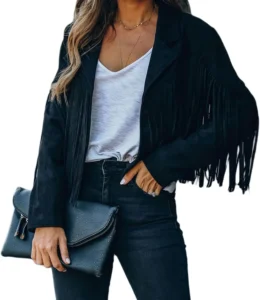
- Outerwear: 1 tailored blazer, 1 denim or leather jacket.
- Footwear: 1 pair of white sneakers, 1 pair of ankle boots, 1 pair of flats or loafers.
Step 5: Seasonal Adaptation – Rotating and Refining
Your capsule evolves with the weather. Each season, you’ll reintroduce stored items and integrate a few strategic new pieces.
Spring Capsule (Transitional Focus):
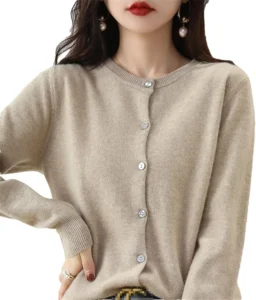
- Key Adds: Lightweight trench coat, cardigans, mid-weight dresses in breathable fabrics (cotton, viscose). Swap heavy boots for ballet flats or clean sneakers.
- Color Shift: Introduce lighter neutrals (cream, khaki) and fresh accents like sage green or sky blue.
- Layering Strategy: Use your permanent knitwear over spring dresses, paired with your trench.
Summer Capsule (Lightweight and Breathable):
- Key Adds: Linen or cotton trousers, shorts, sleeveless tops, a sundress, and a lightweight utility jacket. Sandals become a footwear staple.
- Color Shift: Embrace brighter accents or cooler pastels. White becomes a dominant neutral.
- Fabric is King: Prioritize natural fibers like linen, cotton, and silk blends for temperature regulation.
Autumn Capsule (The Layering Masterclass):
- Key Adds: Chunkier knitwear, a wool blazer or shacket, corduroy pants, and knee-high or combat boots. Reintroduce your leather jacket.
- Color Shift: Rich, earthy accents emerge: terracotta, mustard yellow, forest green.
- Texture Play: Incorporate cable knits, suede, and wool for visual and tactile interest.
Winter Capsule (Warmth and Structure):
- Key Adds: A substantial coat (wool blend or down), turtlenecks, thermal layers, fleece-lined tights, and weatherproof boots.
- Color Shift: Darker bases (charcoal, black) with jewel-toned accents (burgundy, emerald) or continued earthy tones.
- Functional Style: Prioritize warmth without sacrificing silhouette. Layering thin thermal tops under sweaters is essential.
Step 6: The Art of Coordination and Outfit Creation
With your curated capsule, outfit building becomes a creative exercise. Adopt a formulaic approach:
- The Formula: (Top + Bottom + Layer + Footwear) x Accessories.
- Maximize Versatility: Aim for each top to work with at least three bottoms, and each bottom to pair with three tops.
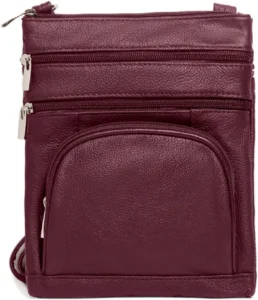
- Utilize Accessories: Belts, scarves, jewelry, and bags are the “secret weapons” of the capsule wardrobe, transforming basic silhouettes without requiring more clothing.
Step 7: Strategic Acquisition and the Quality Quotient
New purchases must be deliberate. Implement the “One In, One Out” rule to maintain capsule size. Before buying, ask:
- Does it fit my color palette and style words?
- Does it work with at least three existing items?
- Is the fabric quality and construction worth the investment?
- Invest in “Cost Per Wear”: Splurge on items worn frequently (jeans, coats, boots). Save on trendy accents.
- Fabric Fundamentals: Seek natural, durable fibers. A 100% cotton shirt, a wool-blend coat, or real leather shoes will outlast and outperform synthetic counterparts.
Step 8: Maintenance and Mindful Evolution
A capsule wardrobe is a living system. Schedule a brief seasonal review to:
- Assess wear and tear; repair or replace damaged staples.
- Re-evaluate your “Love” items. Does everything still serve you?
- Plan for 1-3 intentional purchases for the upcoming season based on identified gaps or lifestyle changes.
- Avoid Trend Traps: If a trend aligns with your core style, integrate it via an accessory, not a major clothing item.
Addressing Common Challenges and Myths
- “It’s Boring”: A capsule focuses on your favorite silhouettes and colors, leading to more authentic, not less creative, dressing.
- “It Doesn’t Work for My Job/Lifestyle”: Capsules are highly adaptable. Allocate percentages: 60% workwear, 30% casual, 10% special occasion within your total count.
- “I Have to Start From Scratch”: Absolutely not. The diagnostic phase uses what you already own. Most people find 70% of their capsule already in their closet.
- Laundry Cycle: With fewer items, you may launder slightly more often. This is offset by the ease of selecting outfits and caring for higher-quality garments.
Final Blueprint: A Sample 35-Piece Four-Season Capsule System
Permanent Collection (Carried through all seasons):
- Tops: 2 t-shirts, 2 blouses, 2 fine-knit sweaters.
- Bottoms: 1 dark jeans, 1 trousers, 1 skirt.
- Dresses: 2 versatile dresses.
- Outerwear: 1 blazer, 1 leather jacket.
- Shoes: White sneakers, ankle boots, loafers.
(15 items)
Seasonal Additions (Approx. 5-7 items rotated per season):
- Spring: Trench coat, cardigan, midi dress, ballet flats.
- Summer: Linen pants, shorts, sleeveless top, sandals.
- Autumn: Chunky sweater, shacket, corduroy pants, knee-high boots.
- Winter: Wool coat, 2 turtlenecks, thermal layer, weatherproof boots.
This system, totaling approximately 35 items at any one time, provides over 100 unique outfit combinations, proving that less is fundamentally more when chosen with clarity and purpose.