The Fabric of Flexibility: Choosing Your Base
The journey to true versatility begins with the material. A dress that can transition seamlessly is often defined by its fabric’s behavior and weight. Mid-weight knits, like ponte roma or scuba, are unsung heroes. They offer structure that flatters the body, resists wrinkling through a workday, and maintains its composure into the evening. Jersey, particularly high-quality viscose or bamboo blends, provides beautiful drape and comfort, moving effortlessly with you. For warmer climates or seasons, linen-cotton blends offer a chic, breathable option that looks intentionally relaxed by day and artfully rumpled by night. Steer clear of overly delicate fabrics like pure silk chiffon or stiff, formal brocades for this purpose; the goal is adaptive resilience.
The Silhouette Spectrum: Cuts That Work Overtime
The shape of your dress is its architectural blueprint. Certain silhouettes possess an inherent chameleon-like quality.
- The Shirt Dress: A perennial powerhouse. By day, belted with a slim leather strap and paired with white sneakers or loafers, it’s polished and professional. Unbutton the collar, swap the belt for a slender chain, change into ankle-strap heels or sleek boots, and you have an undone, sexy look perfect for a dinner date.
- The Slip Dress: Once reserved for lingerie, the slip dress is the ultimate minimalist canvas. Layer it over a fine-knit turtleneck or under a sharp blazer with flats for a sophisticated, modern office look. Shed the layers come evening, add statement Jewelry, a clutch, and heeled sandals for instant glamour.
- The Midi Wrap Dress: Flattering on virtually every body type, the wrap dress defines versatility. Its V-neck and waist-defining tie offer a universally appealing look. With a cardigan and ballet flats, it’s office-appropriate. Undo the wrap a touch for a deeper V, add bold earrings and a platform sandal, and you’re ready for cocktails.
- The T-Shirt Dress: The epitome of casual cool. In a premium cotton or French terry, it’s weekend errand perfection with slides and a crossbody bag. Elevate it instantly with a longline leather jacket, a statement belt at the waist, tights (in cooler months), and combat boots or sleek mules for an edgy, evening-appropriate ensemble.
The Color and Print Palette: Strategic Choices for Maximum Impact
While the classic “little black dress” is a logical starting point, versatility extends to a thoughtful color palette. Neutral hues—navy, charcoal, camel, olive, and cream—offer immense styling range. A navy midi dress can be just as powerful as black but often feels fresher. Small, subtle prints like tonal polka dots, micro-florals, or geometric patterns add visual interest without limiting accessory options. Darker backgrounds on prints are generally more transitional. Solid, saturated jewel tones (emerald, burgundy, sapphire) also work brilliantly, acting as a rich canvas for both daytime neutrals and metallic evening accents.
The Transformative Power of Layers and Accessories
This is where the true magic happens. The dress itself is the foundation; layers and accessories architect the transformation.
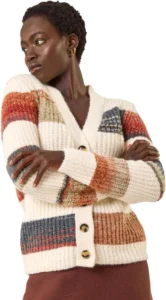
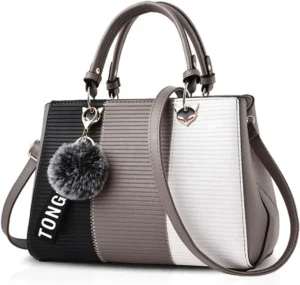
- Daytime Dialysis: For a polished day look, think in terms of structure and coverage. A tailored blazer, a crisp denim jacket, or a fine-gauge knit cardigan adds professionalism. Footwear like clean white sneakers, leather loafers, or block-heel ankle boots grounds the look. Accessories should be understated: a delicate necklace stack, a classic watch, a roomy tote or structured satchel, and simple stud earrings.
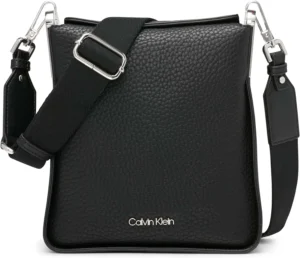
- Evening Alchemy: The shift to evening is about subtraction, addition, and amplification. Shed bulky outer layers or replace a blazer with a leather moto jacket or a luxurious faux fur stole. Footwear undergoes the most dramatic change: switch to strappy heels, sleek pumps, or embellished flats. This is the moment for statement jewelry—a pair of oversized hoops, a bold cuff bracelet, or a dramatic pendant necklace. The day’s tote is replaced by a clutch or a miniature crossbody bag. A change in hosiery, like sheer black tights or fishnets, can also redefine the look for cooler evenings.
Practical Considerations for Real Life
Versatility must be rooted in reality. Consider dresses with features that accommodate the full arc of a day. Pockets are a non-negotiable for many, offering daytime utility without compromising style. Assess the dress’s neckline and sleeve length for adaptability; a too-plunging neckline may be hard to style for the office, while cap sleeves might limit layering. The dress should allow for comfortable movement and sitting during the day while still making you feel confident and special at night. Fabric should be chosen for its ability to resist odors and wrinkles, especially if transitioning directly from work to social events.
Building a Capsule of Versatile Dresses
Curating a small collection of these transformative pieces is more effective than a closet full of single-use items. Start with three foundational dresses: a solid-colored midi in a neutral (like a shirt or wrap style), a slip dress in a dark hue, and a print dress with a versatile palette. From this core, you can create a multitude of looks. Each dress should be able to pair with 80% of your existing shoes, jackets, and accessories. This approach is sustainable, economical, and eliminates daily wardrobe decision fatigue.
Styling in Action: A Case Study
Take a simple, black ponte knit sheath dress with three-quarter sleeves and a knee-length hem.
- Day: Layer a chambray shirt underneath, knotted at the waist for a preppy vibe, or wear it open over the dress. Add a long pendant necklace, a cognac leather belt, and tan ankle boots. Carry a structured tote.
- Transitional Afternoon: Remove the shirt layer. Swap the ankle boots for sleek white sneakers. Add a denim jacket and oversized sunglasses.
- Evening: Lose all daytime layers. Replace the belt with a slender metallic chain. Add a statement necklace in gold or silver. Switch to black sheer tights and patent leather pointed-toe pumps. A red lip, a clutch, and a spritz of perfume complete the metamorphosis. The dress remained constant, yet the woman evolved from professional, to chic casual, to evening-ready without a single change of base garment.
The art of the versatile dress is a study in strategic fashion. It demands an investment in quality fabrics, timeless cuts, and a creative approach to styling. It is about mastering the visual language of day—structured, covered, practical—and the contrasting dialect of night—embellished, revealed, expressive. By focusing on these principles, any woman can build a wardrobe where a single dress is not a single outfit, but a portal to multiple identities, moods, and occasions, proving that true style lies not in abundance, but in intelligent, adaptable curation.