41ZAqyDoNL AC SL1000
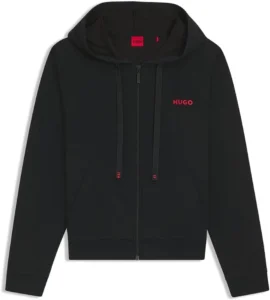
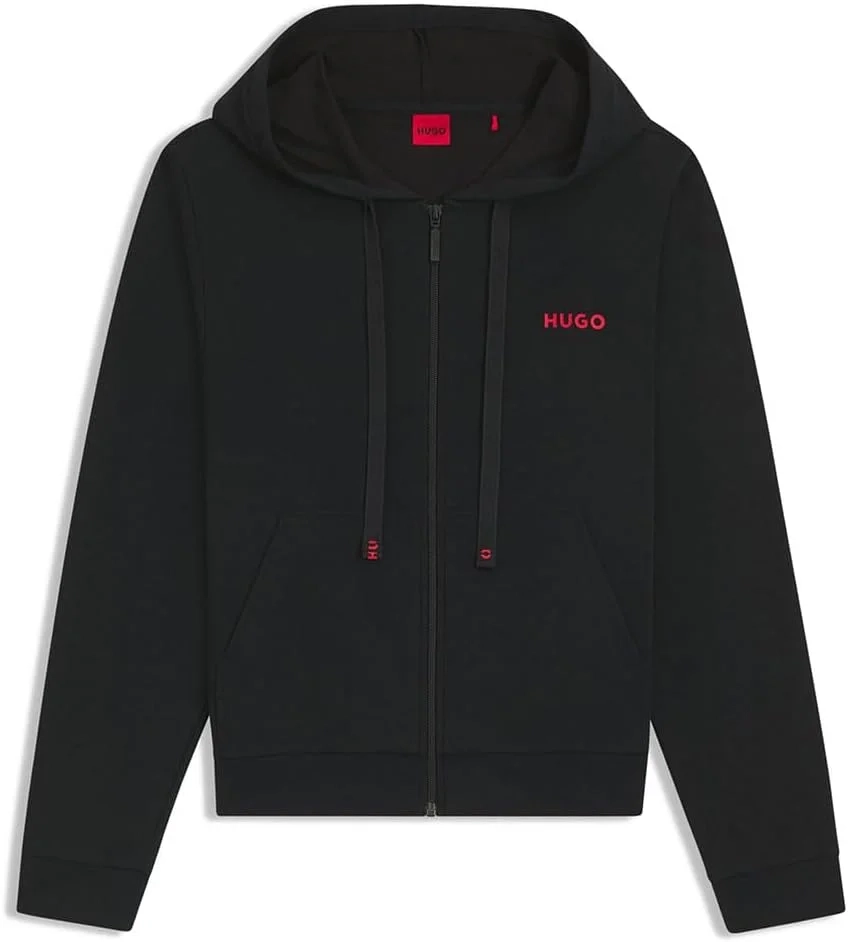
HUGO ID_JACKET 10262204 01
The Perfect Balance of Comfort and Durability: Understanding a 66% Cotton, 30% Polyester, and 4% Elastane Fabric Blend
In the world of modern textiles, the composition of a fabric is rarely left to chance. Each fiber is chosen for a specific purpose, and the ratios in which they are combined determine the garment’s performance, feel, and longevity. One particularly well-engineered blend is the combination of 66% cotton, 30% polyester, and 4% elastane. This specific formulation has become increasingly popular in casual and semi-formal apparel, and for good reason. It represents a deliberate balance between natural comfort, synthetic resilience, and just enough flexibility to allow for ease of movement.
Cotton, which constitutes the majority of this blend at 66%, is the cornerstone of the fabric’s tactile appeal. As a natural fiber, cotton is prized for its breathability and its ability to wick moisture away from the skin, making it an ideal choice for garments worn for extended periods. It provides a soft, non-irritating surface that is kind to the skin, reducing the likelihood of chafing or discomfort. Furthermore, cotton has excellent drape and a classic appearance that resists pilling when properly maintained. However, cotton alone can be prone to wrinkling and may lose its shape over time, which is where the synthetic components begin to play their crucial role.
The 30% polyester content addresses the inherent weaknesses of pure cotton. Polyester is a synthetic fiber renowned for its exceptional durability, high tensile strength, and resistance to shrinking and stretching. When woven or knitted together with cotton, it acts as a structural backbone. This addition ensures that the fabric retains its shape after repeated washing and wear, significantly reducing the need for ironing. The polyester component also accelerates drying time, which is a practical advantage for busy lifestyles. By occupying nearly a third of the blend, polyester ensures that the garment remains long-lasting and looks crisp with minimal maintenance.
The final and arguably most transformative component is the 4% elastane. Despite its small percentage, elastane—commonly known by brand names such as Lycra or Spandex—dramatically alters the wearing experience. This fiber provides the fabric with a remarkable degree of stretch and recovery. This means the garment can expand to accommodate movement and then return to its original shape without sagging or losing its structure. The result is Clothing that offers a tailored, second-skin fit without feeling restrictive. Whether used in trousers, shirts, or dresses, this blend moves with the wearer rather than against them.
In conclusion, the 66% cotton, 30% polyester, and 4% elastane blend is a masterclass in textile engineering. It combines the natural, skin-friendly comfort of cotton, the rugged, wrinkle-resistant durability of polyester, and the shape-retaining flexibility of elastane. The result is a versatile, low-maintenance fabric that provides all-day comfort and a polished appearance. For the discerning consumer, this blend offers the best of all worlds: the feel of natural fibers, the practicality of synthetics, and the freedom of movement required for modern living. It is a testament to how thoughtful composition can elevate a simple piece of cloth into a high-performance garment.