
cropped penamaguk fav 1773990369 1354
Decoding the Dress Code: Your First Step
The invitation holds the key. Adhering to the specified dress code is the ultimate sign of respect for the couple’s vision. “Black Tie” is not a suggestion; it’s a requirement. For women, this typically means a full-length formal gown, though a sophisticated cocktail dress may be acceptable in certain circles. Luxe fabrics like silk, satin, Velvet, or heavy crepe are ideal. “Formal” or “Black Tie Optional” offers slightly more flexibility, allowing for a very dressy cocktail dress or a sleek evening gown. “Cocktail Attire” is the most common, calling for a knee-length or midi dress in elegant fabrics—think lace, chiffon, or sequins. “Semi-Formal” or “Dressy Casual” leans toward a sun dress or a chic separates ensemble, typically shorter in length. “Beach Formal” is a unique hybrid: elegant but breezy fabrics like linen or chiffon in silhouettes that won’t trap sand. When in doubt, it is always better to be slightly overdressed than underdressed.
The Venue and Season: Context is Everything
A dress perfect for a ballroom will falter on a lawn. Always consider the wedding’s setting. A cathedral or formal evening wedding demands modesty and grandeur. Opt for covered shoulders (a shawl or jacket can assist), longer hemlines, and refined fabrics. For a rustic barn or vineyard wedding, embrace romance with floral prints, soft lace, or flowing maxi dresses in earthy tones or muted pastels. Block heels or wedges are pragmatic for uneven ground. A garden or daytime outdoor ceremony invites lighter fabrics, brighter colors, and playful patterns. A chic tea-length dress or a polished jumpsuit fits beautifully. Beach weddings require practicality: avoid long trains, heavy fabrics, and stiletto heels. Flowy maxi dresses, elegant knee-length sheaths, or palazzo pant sets in breathable materials are perfect.
The Unspoken Rules: Color and Etiquette
Tradition dictates avoiding white, ivory, or any shade that could remotely photograph as white, including very pale champagne or blush. This is the couple’s moment. Similarly, solid black, while increasingly acceptable for evening formal weddings, can signal mourning; if worn, it should be counterbalanced with joyful Accessories or a bright lip. Red is powerful and can sometimes be seen as seeking attention; proceed with caution, ensuring the style is demure. The goal is to complement, not compete. It is also wise to avoid anything too closely matching the bridal party’s colors if known. Your outfit should be a supporting character in the day’s narrative.
Silhouettes and Styles That Always Work
Certain dresses are perennial wedding-guest winners. The wrap dress is universally flattering, adjustable for comfort, and elegantly drapes the figure. A fit-and-flare or A-line dress offers a classic, feminine shape that moves beautifully and suits most body types. The slip dress, when styled appropriately, is a study in minimalist chic; layer with a tailored blazer or delicate cardigan for ceremony modesty. Midi dresses are the gold standard for versatility, working for nearly every dress code from cocktail to formal depending on fabric and detail. For a modern twist, a wide-leg jumpsuit or an elegant trouser suit in luxe material makes a striking, sophisticated statement.
Fabric and Detail: Elevating Your Look
The difference between “nice” and “elegant” often lies in the fabric. Invest in natural, quality materials that drape well: silk, chiffon, crepe, and high-quality lace. These fabrics photograph beautifully and feel luxurious. Synthetic fabrics can look cheap and be uncomfortable over long hours. Embellishments should be intentional—a beaded bodice, delicate embroidery, or tasteful sequin accents can elevate a simple silhouette. Avoid excessive sparkle that might reflect flash photography or overwhelm the setting. Neckline consideration is crucial; a deep plunge or extreme cut-outs may be better saved for a night out. Elegant options include V-necks, square necks, boat necks, or delicate scoop necks.
Accessorizing with Intention
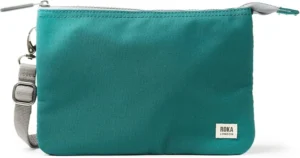
Shoes should blend style with endurance. Consider the terrain and prepare for hours of standing and dancing. A low block heel, a elegant wedge, or even a embellished flat can be both stylish and sensible. A clutch is essential, large enough to hold essentials but small enough to manage. Metallics (gold, silver, bronze) are neutral and versatile. Jewelry should complement, not dominate; choose either statement earrings or a necklace, rarely both. A pashmina, light wrap, or tailored jacket is not only a stylish addition but a practical one for chilly churches or evening receptions.
Common Pitfalls to Avoid
Beyond color, several missteps can detract from appropriateness. Overly revealing Clothing—excessive cleavage, thigh-high slits, or backless designs—shifts focus away from the celebration. Anything too casual: denim, shorts, tank tops, or everyday sundresses are rarely suitable unless explicitly stated. Wrinkled or ill-fitting garments suggest a lack of effort; ensure your outfit is pressed and tailored to fit you perfectly. Flashy logos or overly trendy, faddish pieces can date photos and distract. The aim is to look timelessly polished.
Adapting for Cultural or Religious Ceremonies
Many weddings incorporate specific cultural or religious traditions that carry sartorial expectations. For ceremonies in churches, mosques, or temples, modesty is paramount. This often means covered shoulders, knees, and sometimes head. A lightweight blazer, a elegant shawl, or a dress with sleeves is essential. For Hindu or Sikh ceremonies, guests are often encouraged to wear vibrant colors, and wearing traditional attire like a saree or lehenga is frequently welcomed and appreciated. Researching or asking a member of the wedding party for guidance is a respectful and prudent step.
The Modern Guest’s Toolkit: Renting, Re-wearing, and Sustainability
The rise of dress rental services offers access to designer pieces at a fraction of the cost, perfect for one-time wear. This is a financially and environmentally smart choice. Alternatively, investing in a high-quality, classic dress in a neutral color or versatile print means you can re-wear it for years, altering it with different accessories. The concept of a “wedding guest capsule piece”—a skirt, top, or suit that can be mixed and matched—is both chic and sustainable. Ultimately, the most appropriate outfit is one that makes you feel confident, comfortable, and joyful, allowing you to fully participate in celebrating the couple’s union.