
cropped penamaguk fav 1772659236 4226
The Anatomy of a Handbag: Understanding Silhouettes and Styles
The world of handbags is a landscape defined by form and function. Each silhouette serves a distinct purpose, and recognizing these is the first step to building a versatile collection.
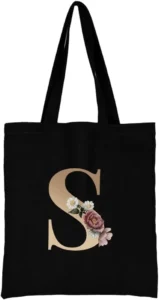
- Tote: The quintessential workhorse. Characterized by an open top, two sturdy handles, and a spacious rectangular or slouchy body. Ideal for work, travel, or daily errands, it carries laptops, files, gym gear, and more. Look for structured versions in leather for professionalism, or softer canvas for casual ease.
- Satchel: A close relative of the tote but typically features a structured, rectangular shape, a top flap that closes (often with a buckle or turn-lock), and both handles and a removable shoulder strap. It offers more security than an open tote while maintaining significant capacity.
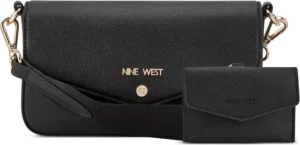
- Crossbody: Defined by a single, adjustable long strap designed to be worn across the torso, leaving hands free. Sizes range from compact to medium, prioritizing security and convenience. The ultimate choice for travel, shopping, or any situation demanding mobility.
- Shoulder Bag: A broad category where the bag is carried on one shoulder via a shorter strap. This includes iconic shapes like the saddle bag, the hobo (a slouchy, crescent-shaped bag), and the doctor’s bag. It offers easy access but less hands-free security than a crossbody.
- Clutch: A strapless bag designed to be carried in the hand or tucked under the arm. Ranging from minimalist envelopes to ornate minaudières, it is the go-to for formal events. Many modern clutches include a detachable chain strap for versatility.
- Bucket Bag: Recognizable by its cylindrical shape, drawstring closure, and often a central interior pouch. It combines casual, slouchy aesthetics with surprising capacity and security, as items settle at the bottom.
- Backpack: No longer just for school, luxury and designer backpacks offer ergonomic comfort and even weight distribution. Styles range from sleek leather urban designs to practical nylon for travel, perfect for commuting or when you need to carry heavier loads comfortably.
Material Matters: A Guide to Fabrics and Leathers
The material dictates a bag’s character, durability, and care requirements.
- Full-Grain Leather: The highest quality leather, using the entire hide’s top layer. It develops a rich patina over time, is exceptionally durable, and resists moisture well. It is often used in heritage and luxury bags.
- Top-Grain Leather: Slightly sanded to remove imperfections, making it more supple and uniform than full-grain. It is still high-quality and durable, common in many designer bags.
- Saffiano Leather: A treated, textured leather (often calfskin) pioneered by Prada. It is scratch-resistant, water-repellent, and maintains a stiff, structured shape with a distinctive cross-hatch pattern.
- Suede and Nubuck: Velvety, nap finishes. Suede is from the flesh side of the hide; nubuck is from the outer side, lightly sanded. Both are luxurious and soft but are susceptible to water stains and require careful maintenance.
- Canvas: A durable, often cotton-based fabric. Coated canvas (like Louis Vuitton’s) is treated for water resistance. It is lightweight, low-maintenance, and excellent for casual or travel bags but shows dirt more easily than leather.
- Exotic Skins: Such as crocodile, alligator, ostrich, and python. These are luxury materials requiring specialized care and ethical considerations. They offer unique textures and are highly durable when properly maintained.
- Vegan Materials: Innovations in polyurethane (PU), cork, apple leather, and recycled plastics offer convincing, high-quality alternatives to leather. Durability varies by brand and construction.
The Investment Equation: Decoding Quality and Price
A handbag is an investment. Assessing quality ensures longevity.
- Construction: Examine stitching. It should be even, tight, and straight, with no loose threads. High-end bags often use saddle stitching (a strong, two-needle technique) or reinforced box-stitching at stress points.
- Hardware: Zippers should glide smoothly (YKK and Riri are quality brands). Metal pieces like clasps, feet, and logo plaques should feel substantial, not lightweight or plasticky. Look for even plating with no chips or discoloration.
- Lining: A fully lined interior (in fabric, suede, or leather) protects the bag’s structure and contents. The lining should be neatly sewn without gaps or puckering.
- Edges and Glazing: The painted edge along leather cuts should be clean, even, and free from cracks or bleeding onto the bag’s face.
- Brand Heritage vs. Contemporary Design: Heritage brands (e.g., Chanel, Hermès) command prices for iconic design, history, and resale value. Contemporary designers may offer innovative design and materials at different price points. Consider what you value: timelessness or trend-led style.
Function First: Matching the Bag to Your Lifestyle
Your daily needs should dictate your primary bag choices.
- The Professional: A structured tote or satchel in neutral leather is essential. Prioritize a padded laptop sleeve, multiple interior pockets for organization, and a secure closure. Size should accommodate daily essentials plus work documents.
- The Commuter: Security and comfort are key. A crossbody with a secure zip or flap closure, worn in front, deters pickpockets. A lightweight backpack is ideal for longer walks or cycling. Consider water-resistant materials.
- The Minimalist: A small crossbody or sleek shoulder bag that holds just the essentials: phone, cards, keys, lipstick. Focus on clean lines, premium materials, and a versatile color.
- The Parent/Traveler: Capacity and organization are non-negotiable. A large tote with multiple exterior pockets (for bottles, wipes) or a durable backpack with compartmentalization works best. Washable canvas or treated leather is practical.
- The Evening Enthusiast: A collection of clutches and mini bags in metallic, jewel tones, or textured fabrics. Consider styles with a detachable strap for day-to-evening versatility.
Color Psychology and Wardrobe Integration
Color choice extends beyond personal preference to strategic wardrobe building.
- Neutral Foundation: Every collection should start with a neutral workhorse. Black is formal and hides wear. Tan/Cognac develops a patina and pairs warmly with most colors. Navy is a softer alternative to black. Grey and taupe are modern and versatile.
- Pop of Color: A bag in a bold hue (red, emerald green, mustard) acts as a statement accessory, easily elevating neutral outfits.
- Seasonal Shades: Pastels for spring, brights for summer, rich burgundies and forest greens for autumn.
- Metallics: Gold, silver, or bronze are considered neutrals for evening wear and can add a luxe touch to daytime jeans.
Care and Maintenance: Preserving Your Investment
Proper care dramatically extends a bag’s life.
- Storage: Always store bags stuffed with acid-free tissue paper or a pillow to maintain shape. Keep in a dust bag, away from direct sunlight and humidity. Never hang heavy bags by their straps long-term.
- Cleaning: For leather, use a soft, dry cloth for daily dust. Use a dedicated leather cleaner and conditioner 1-2 times a year. For suede, use a specialized suede brush and eraser. For canvas, a mild soap solution and soft brush can be used.
- Protection: Apply a leather or fabric protector spray before first use to guard against water and stains. Always avoid overloading your bag, as this strains seams and hardware.
- Rotation: Regularly rotating the bags you use prevents excessive wear on any single piece, allowing materials to “rest” and retain their shape.
The Ethical and Sustainable Landscape
Conscious consumption is increasingly important.
- Vintage and Secondhand: Buying pre-owned is the ultimate sustainable choice, extending a bag’s lifecycle. It also offers access to discontinued styles and classic icons at accessible prices.
- Brand Ethics: Research brands committed to ethical labor practices, sustainable sourcing of materials (e.g., vegetable-tanned leathers), and transparent supply chains.
- Timeless Over Trendy: Investing in a well-made, classic design (like a simple tote or a structured satchel) ensures the bag remains stylish for decades, countering fast-fashion waste.
- Repair, Don’t Replace: Quality bags can be repaired. Seek out professional cobblers for re-dyeing, re-stitching, or hardware replacement to give a beloved bag a new lease on life.
Navigating Trends vs. Timelessness
While trends (like the nano bag, the puff bag, or specific logo mania) are fun, they should be approached strategically.
- Trend Investment: Allocate a smaller portion of your budget to trend-led pieces. Opt for lower-cost brands or vintage finds to experiment without significant financial commitment.
- Timeless Anchors: The core of your collection should be classic shapes in excellent materials. A black leather crossbody, a tan tote, a neutral satchel will never go out of style.
- Personal Style Filter: Only adopt trends that genuinely resonate with your aesthetic. A bag should feel like an extension of your personality, not a temporary costume.