
cropped penamaguk fav 1772011650 4318
The Psychology of Purchase: Understanding the “Why” Behind the Buy
Before examining stitches and leather grades, scrutinize your motivation. A handbag is rarely just a container; it’s a statement, a tool, and an emotional investment.
Luxury handbags operate within the realm of Veblen Goods—where demand increases as price increases, due to perceived status and exclusivity. The purchase is driven by heritage, craftsmanship as art, and the potent signaling of membership in an aspirational club. The experience—from the hushed boutique ambiance to the pristine packaging—is a core part of the product. You are buying a narrative: the history of Chanel’s 2.55, the iconic status of the Hermès Birkin, the architectural genius of Bottega Veneta’s intrecciato.
Affordable handbag purchases are primarily driven by function, trend, and value. The decision matrix focuses on practicality: “Does this fit my laptop and water bottle?” “Will this color go with my seasonal wardrobe?” “Is this style on-trend this year?” The emotional payoff is one of smart utility and stylish efficiency. The rise of direct-to-consumer brands like Cuyana or Everlane taps into a desire for minimalist design and ethical transparency at accessible prices, offering a different, conscious narrative.
Deconstructing Craftsmanship: Where Does the Money Actually Go?
This is the most tangible differentiator. Luxury handbags justify their price through materials and labor intensity.
- Materials: True luxury uses top-tier, often exclusive materials. This includes full-grain, vegetable-tanned leathers that develop a patina (like Hermès Clemence or Box calf), exotic skins (alligator, ostrich) under strict CITES certification, and high-density canvas (like Louis Vuitton’s coated toile). Hardware is solid brass, palladium, or even gold-plated, with precise weight and finish.
- Construction: Techniques like saddle-stitching (which allows for repair), hand-painted edges, mitered corners, and perfectly aligned patterns across seams require hundreds of hours of artisan training. Linings are luxurious (suede, microfiber), zippers are from Riri or Lampo, and structural integrity is paramount. The bag is built to maintain its shape and function for decades.
Affordable handbags utilize cost-effective materials and construction to hit a price point.
- Materials: These are often genuine leather (a catch-all term that includes corrected-grain), bonded leather, high-quality synthetic vegan leather (like AppleSkin), polyester canvas, or PVC. Hardware is typically lightweight alloy or nickel-plated.
- Construction: Machine stitching is the norm for speed and cost. Gluing and simpler assembly methods are common. Linings are usually polyester, and structural shape may rely on cardboard or foam inserts rather than built-in architecture. The focus is on aesthetic appeal at the moment of purchase, with a shorter expected lifespan of 2-5 years of regular use.
The Investment Myth and Resale Reality
The term “investment bag” is often misused. A financial investment appreciates; most handbags depreciate the moment they leave the store. However, certain luxury bags can be asset-class Accessories.
Iconic styles from Chanel, Hermès, and limited-edition Louis Vuitton can retain or exceed their retail value on the secondary market due to brand price increases, scarcity, and perpetual demand. A Birkin, on average, appreciates faster than gold or the S&P 500. Research from platforms like Rebag and The RealReal shows classic styles (Chanel Medium Classic Flap, Louis Vuitton Neverfull) have strong resale value, often 60-80% of retail if in excellent condition.
For affordable handbags, consider resale “value recovery.” Fast-fashion bags have negligible resale. Better contemporary brands (Coach, Tory Burch) may resell for 30-50% of original price if pristine and desirable. The goal here isn’t profit, but recouping some cost to fund the next purchase. The real value is in cost-per-wear. A $300 bag worn 200 times costs $1.50 per use—excellent value.
The Strategic Buyer’s Framework: Making Your Decision
Use this framework to align your purchase with your personal and financial goals.
- Audit Your Lifestyle & Needs: Are you a commuter needing a durable tote? A minimalist who rotates one perfect bag? A trend enthusiast who updates seasonally? Your daily reality should dictate form and function.
- Define Your Budget Realistically: The “affordable” vs. “luxury” line is personal. A strict rule: never finance a handbag with debt. For luxury, establish a dedicated savings fund. For affordable, set an annual budget to avoid death-by-a-thousand-cuts spending on impulse buys.
- The Cost-Per-Wear (CPW) Calculation: CPW = Total Price / Number of Uses. A $4000 bag worn 400 times over 10 years has a CPW of $10. A $150 bag worn 10 times is $15 CPW. The “cheaper” bag is more expensive per use. Prioritize versatility for high-use bags.
- Research Relentlessly:
- For Luxury: Learn model names, seasonal releases, and classic vs. trendy. Understand brand repair policies. Authenticate meticulously on the secondary market. Consider pre-owned from reputable consignors for better value.
- For Affordable: Scrutinize reviews for wear-and-tear reports. Look for quality hallmarks: metal feet, lined interiors, sturdy zippers, and reinforced straps. Brands like Portland leather goods or Leatherology focus on premium materials at accessible prices by cutting marketing costs.
- The Hybrid Strategy: Many smart buyers employ a portfolio approach.
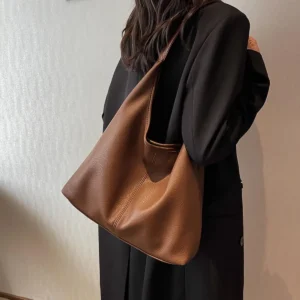
- The Foundation Piece: One or two neutral luxury bags (a black tote, a brown crossbody) for daily wear, built to last.
- The Seasonal & Trend: Affordable bags in bold colors, prints, or micro-trends (like the basket bag or neon clutch) that you’ll love for a few seasons.
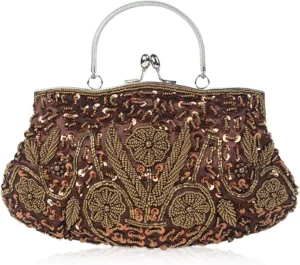
- The Special Occasion: A luxurious evening bag or statement piece for events, which could be vintage or a contemporary designer splurge.
Ethical and Sustainability Considerations
This dimension now influences both markets. Luxury faces scrutiny over exotic skins, carbon footprints, and labor practices (though many artisanship roles are well-paid in Europe). Brands like Stella McCartney lead in vegan luxury, while Kering and LVMH invest in sustainability initiatives.
The affordable sector grapples with fast fashion’s environmental toll—water pollution, microfiber shedding, and landfill waste. The smart move is to shift from “ultra-affordable” to “contemporary affordable” brands that emphasize transparency, better materials, and timeless design, reducing the churn cycle. Buying second-hand, whether a pre-loved Prada or a like-new Coach, is the most sustainable choice across all price points.
The Final Verdict: It’s About Intentionality
The smartest purchase, at any price, is an intentional one. It rejects impulse in favor of analysis. It values the sublime feel of a buttery leather handle or the flawless function of a well-designed organizer pocket equally, depending on the bag’s assigned role in your life. Whether you allocate funds for a heritage masterpiece that tells a story for generations or curate a collection of savvy, stylish workhorses that liberate your budget for other life experiences, the key is aligning the object with your authentic priorities. The market offers unparalleled choice; the empowered buyer is defined not by the label they carry, but by the conscious calculation behind it.