Understanding Wallet Types: Form Follows Function
The journey begins with identifying the primary purpose. The modern woman’s wallet is not one-size-fits-all; it’s a spectrum of designs tailored to different lifestyles.
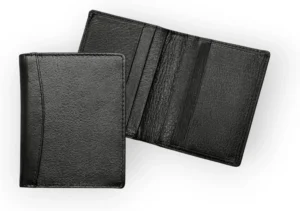
- The Classic Bifold/Trifold: The timeless choice. Bifolds offer a slim profile, ideal for those who carry fewer cards and prefer a streamlined look in a handbag. Trifolds provide more compartments but add bulk. Best for traditionalists and those who appreciate organized, dedicated slots for every card and bill.
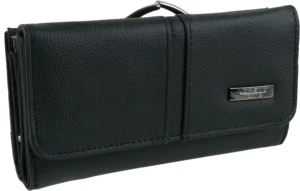
- The Continental Wallet (Clutch Wallet): Characterized by its long, zippered closure, this is a mini-organizer. It often features a coin purse, numerous card slots, a bill compartment, and sometimes a removable wristlet strap. This is the ultimate all-in-one solution for those who carry their entire world and may need to transition from handbag to hand for a quick errand.
- The Cardholder/Wristlet: The minimalist’s champion. In our increasingly cashless society, a sleek cardholder (with or without a detachable strap) is perfect for essential cards and a few bills. It’s designed to eliminate bulk, fitting seamlessly into small crossbody bags or even a pocket.
- The Zip-Around Wallet: The security-focused option. A full-zip closure ensures nothing falls out, making it a reliable choice for travel or hectic daily commutes. It typically opens to reveal a well-organized interior, offering peace of mind alongside functionality.
- The Phone Wallet Case: The ultimate in consolidation. This hybrid attaches directly to your smartphone, typically holding 2-4 essential cards. It’s the pinnacle of hands-free, lightweight convenience for those who prioritize traveling light.
The Anatomy of Quality: Materials and Craftsmanship
A wallet is an investment in daily utility. Discerning quality ensures longevity and enduring style.
- Leather: The gold standard. Full-grain leather is the highest quality, using the top layer of the hide. It develops a unique patina over time, becoming more beautiful with use. Top-grain leather is slightly sanded for a more uniform look and is highly durable. Genuine leather is a lower-grade term for split leather and may not age as gracefully. Vegan leather (often PU or PVC) offers an animal-friendly alternative but varies widely in durability and breathability.
- Fabric & Technical Materials: Durable canvas (like coated cotton or nylon) is excellent for casual, washable styles. Performance fabrics from brands like Lululemon offer water-resistant, lightweight options for active lifestyles.
- Hardware & Stitching: Zippers should glide smoothly; YKK is a hallmark of reliability. Buttons and clasps should feel substantial and secure. Examine the stitching—it should be even, tight, and without loose threads. Edge painting or piping on leather wallets is a sign of refined finishing, preventing raw edges from fraying.
- Lining: A quality lining (smooth fabric, soft suede, or even leather) protects the interior and adds to the luxurious feel. Poorly attached, thin linings are a sign of corner-cutting.
The Interior Layout: Engineering Your Efficiency
The internal organization is where a wallet earns its keep. Audit your daily carry.
- Card Capacity: Count your essential cards (ID, debit, credit, insurance, transit) and add a few for growth. Do you prefer individual, easy-access slots, or are you comfortable with stacked, slide-out pockets? Some slots may be RFID-blocking for added security.
- Bill Compartment: Do you use cash regularly? A simple, open pocket may suffice. For international travel or larger bills, a full-length, zippered or snapped billfold is safer.
- Coin Purse: A dedicated zippered or snapped coin pocket is non-negotiable for coin users. In continental wallets, this is often a removable pouch.
- Specialized Pockets: Consider your needs for a driver’s license window, receipt pockets, a key holder, or a dedicated slot for a smartphone or pen.
Style and Personal Aesthetic: The Expression of Self
Your wallet is an accessory that should resonate with your personal style.
- Color: Neutrals (black, brown, taupe, navy) offer maximum versatility. Bold colors (burgundy, emerald, bright yellow) make a statement and are easier to find in a deep bag. Consider seasonal rotations.
- Size & Silhouette: This must harmonize with your most-used handbags. A massive continental wallet will drown a petite shoulder bag, while a tiny cardholder will get lost in a tote. Measure your favorite bags’ interior compartments.
- Design Details: Hardware color (gold, silver, gunmetal), embossing, quilting, tassels, or minimalist clean lines—these details align the wallet with your overall fashion ethos, whether classic, boho, modern, or athletic.
Lifestyle Integration: The Practicality Test
The perfect wallet seamlessly integrates into your daily rhythm.
- The Everyday Professional: Needs a sleek, sophisticated option that fits into a work tote or briefcase. A bifold or structured zip-around in luxury leather projects professionalism. Organization for business cards is a plus.
- The Minimalist & On-the-Go: Prioritizes lightweight, compact designs. A cardholder or small wristlet that can standalone for quick trips is ideal. Phone wallet cases are a top contender.
- The Parent or Caregiver: Requires hands-free functionality and perhaps extra space for family photos, children’s insurance cards, or emergency cash. A crossbody-style wristlet or a zip-around with robust organization is key.
- The Traveler: Security is paramount. A zip-around or RFID-blocking style protects against digital theft. Consider a passport-sized slot or a wallet that can securely hold multiple currencies. Durability to withstand being packed and unpacked frequently is essential.
Budgeting for Value: Cost Per Use
A wallet is used hundreds of times a year. Frame the cost through this lens.
- Budget-Friendly (<$50): Offers style and function from reputable high-street brands, often in synthetic materials or thinner leathers. Good for experimenting with trends.
- Mid-Range ($50 – $200): The sweet spot for quality materials (like good top-grain leather) and thoughtful design from both contemporary brands and accessible luxury entrants. Expect solid construction that will last for years.
- Investment & Luxury ($200+): Features exceptional craftsmanship, premium full-grain or exotic leathers, and brand heritage. These are heirloom-quality pieces where the design, material, and artistry justify the price for the discerning buyer.
The Final Checklist Before Purchase
- Touch and Feel: If possible, assess the material’s suppleness and the hardware’s weight.
- Perform a Test Load: Insert your typical number of cards and folded bills. Does it bulge awkwardly? Do the seams strain?
- Open and Close: Test zippers, snaps, and buttons repeatedly. Ensure they function smoothly under load.
- Check the Edges and Seams: Look for consistent stitching and finished edges, indicators of longevity.
- Consider Weight: An empty wallet’s heft will be magnified once full and inside your bag.
- Evaluate the Closure: Will it securely hold contents if dropped or jostled in your bag?
Beyond the Purchase: Care and Maintenance
Protecting your investment ensures it ages gracefully. Store it in a dust bag when not in use. Condition leather wallets with a appropriate leather cream every 6-12 months to prevent drying and cracking. Avoid overstuffing, as this can permanently distort the shape and stress seams. For fabric wallets, spot clean with a damp cloth and mild soap. Regularly purge receipts and outdated cards to maintain the wallet’s structure and organization. The perfect women’s wallet is a deeply personal tool, a small but significant cornerstone of daily life that blends impeccable utility with personal expression. It is the silent workhorse that, when chosen with intention, provides a small moment of satisfaction every time it is opened or held.